

Jan 11,2026
Transform Your Space with Stylish Honeycomb Panel Designs: Elevate Your Interiors
Get Quote NowTransform Your Space with Stylish Honeycomb Panel Designs
Table of Contents
1. Introduction to Honeycomb Panels
2. Benefits of Honeycomb Panel Designs
3. Versatile Applications of Honeycomb Panels
4. Aesthetics and Design Styles with Honeycomb Panels
4.1 Modern Minimalism
4.2 Industrial Chic
4.3 Natural and Organic Designs
5. Choosing the Right Materials for Your Honeycomb Panels
6. Installation Tips for Honeycomb Panels
7. Maintenance and Care for Honeycomb Panels
8. Frequently Asked Questions about Honeycomb Panels
9. Conclusion
1. Introduction to Honeycomb Panels
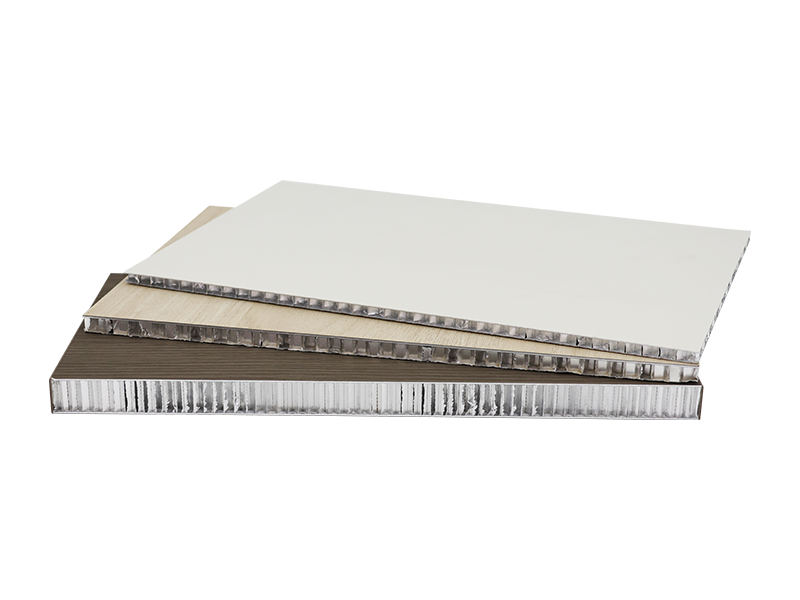
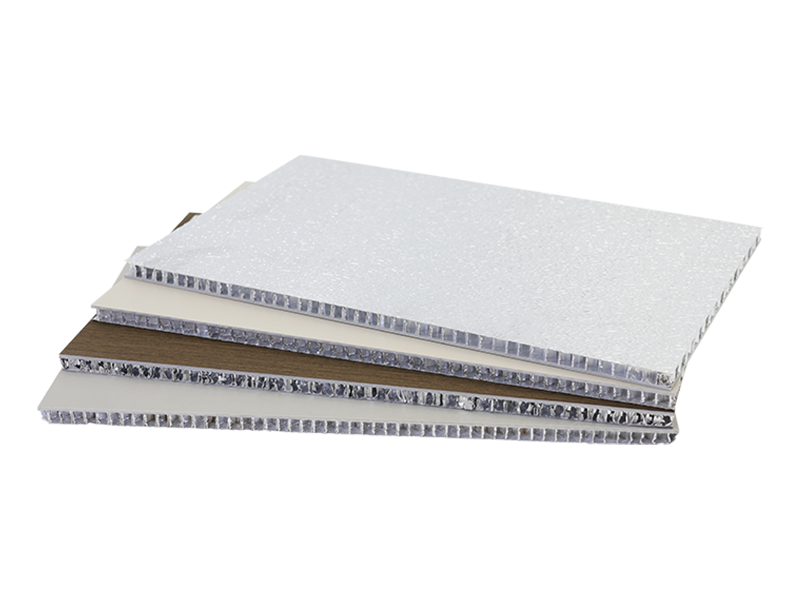
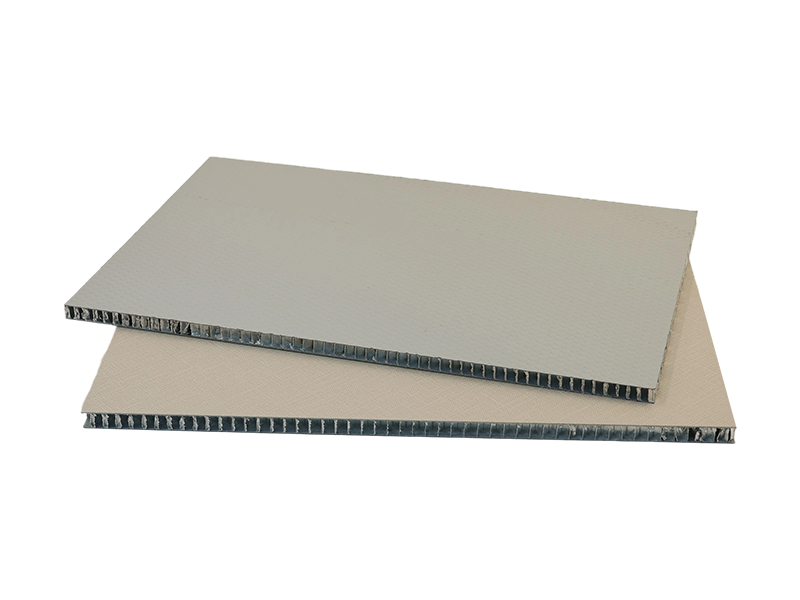
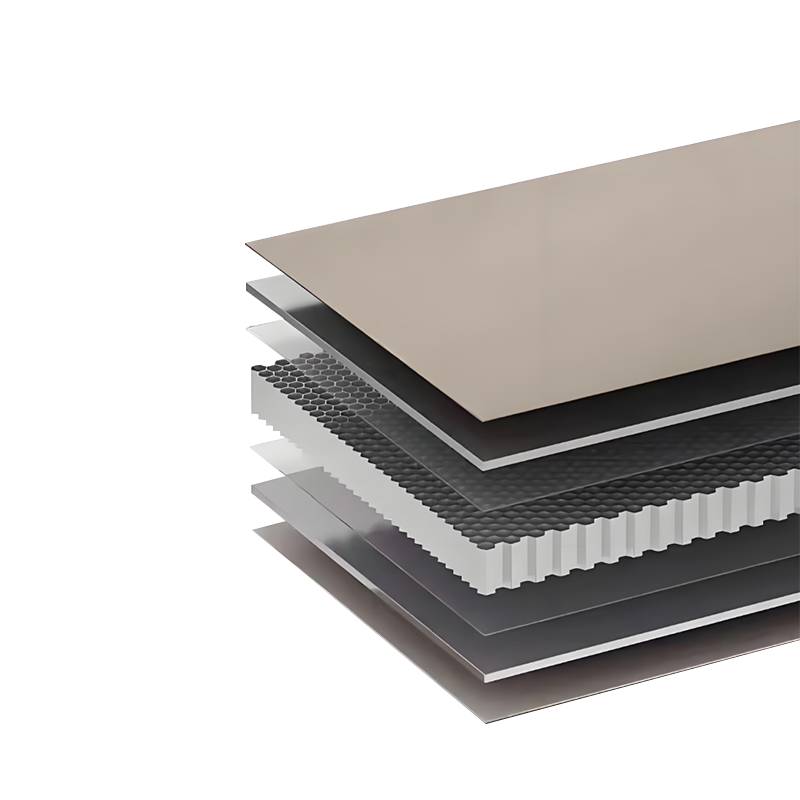
Honeycomb panels represent a revolutionary approach in the building and decoration materials industry. Constructed using a core of hexagonal cells, these panels offer superior strength while remaining impressively lightweight. This unique design not only enhances structural integrity but also allows for a myriad of applications in both commercial and residential settings. As a forward-thinking solution, honeycomb panels bridge the gap between functionality and aesthetic appeal, making them a popular choice among architects and designers looking to transform spaces creatively.
2. Benefits of Honeycomb Panel Designs
Choosing honeycomb panels for your interior design projects comes with a plethora of advantages. Here are some key benefits that make these panels a preferred option:
- **Lightweight and Durable**: Honeycomb panels are significantly lighter than traditional materials, making them easier to handle and install. Despite their lightness, they boast impressive durability and resistance to wear and tear.
- **Cost-Effectiveness**: Due to their efficient manufacturing processes, honeycomb panels can be more affordable than conventional materials. This cost-efficiency extends to transportation and installation, contributing to overall savings.
- **Environmental Sustainability**: Many honeycomb panels are made from recyclable materials, aligning with eco-friendly design principles. Choosing sustainable materials not only contributes to environmental conservation but also enhances your brand’s reputation.
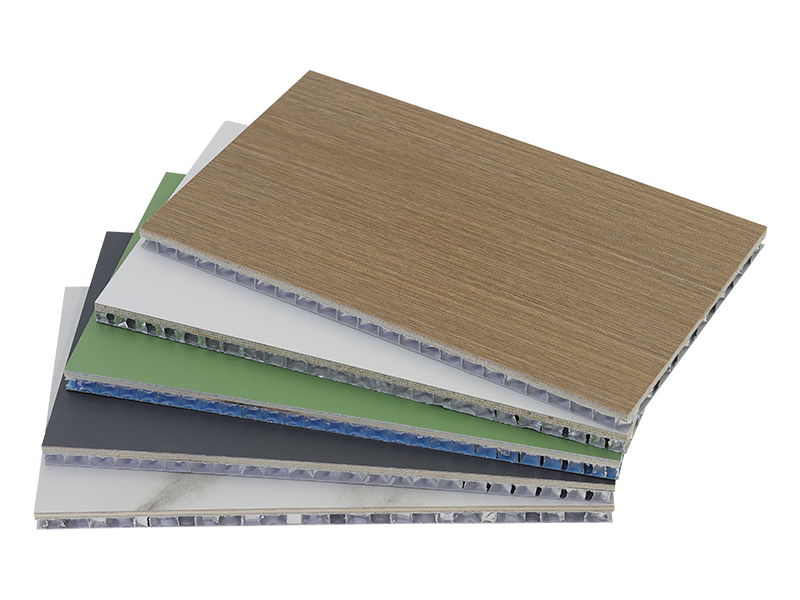
- **Versatility**: Honeycomb panels can be customized to fit various design themes, colors, and sizes, making them suitable for a wide range of applications, from wall coverings to ceilings.
3. Versatile Applications of Honeycomb Panels
Honeycomb panels are incredibly versatile, making them suitable for diverse applications across different sectors:
- **Interior Walls**: These panels can be used as partition walls or to create feature walls, adding texture and visual interest to spaces.
- **Ceilings**: Honeycomb panels enhance the aesthetics of ceilings, providing a modern look while also improving acoustics in larger spaces.
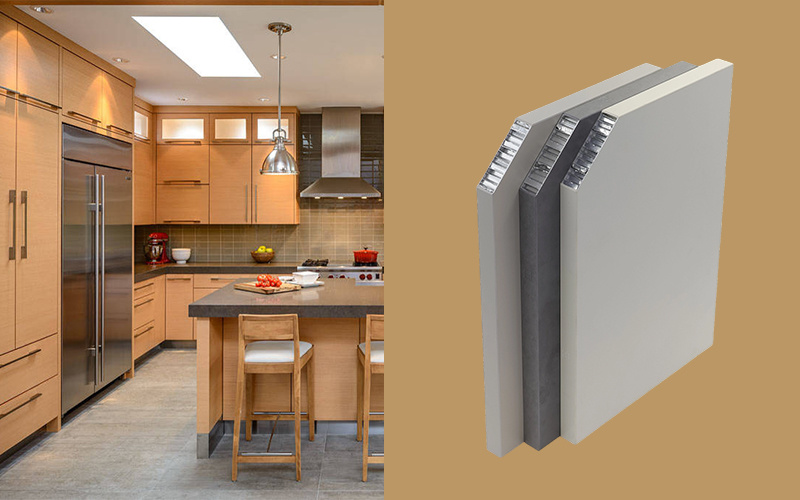
- **Furniture Design**: From tables to cabinets, honeycomb panels can be incorporated into furniture design, offering a unique style and structural advantage.
- **Exterior Applications**: With the right treatments, honeycomb panels can also be used for exterior cladding, offering weather resistance and aesthetic appeal.
4. Aesthetics and Design Styles with Honeycomb Panels
Honeycomb panels cater to various design styles, allowing homeowners and designers to create cohesive and aesthetically pleasing environments. Here’s how they fit into different design themes:
4.1 Modern Minimalism
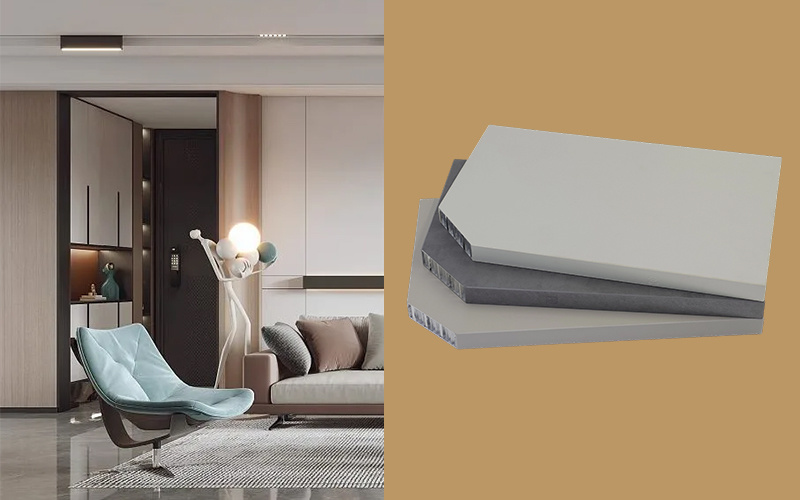
In modern minimalist designs, honeycomb panels add subtle texture without overwhelming the space. Their clean lines and geometric patterns complement the minimalist ethos, creating a serene and uncluttered environment.
4.2 Industrial Chic
The raw, unfinished look of honeycomb panels pairs well with industrial design elements. Their strength and functionality make them perfect for urban lofts and contemporary office spaces, where form meets function.
4.3 Natural and Organic Designs
By using natural materials such as bamboo or reclaimed wood for honeycomb panels, designers can achieve a warm, organic feel that promotes tranquility and connection to nature.
5. Choosing the Right Materials for Your Honeycomb Panels
Selecting the appropriate materials for honeycomb panels is crucial to achieving the desired aesthetic and functional outcome. Consider the following options:
- **Aluminum Honeycomb Panels**: Lightweight and durable, aluminum panels are ideal for high-traffic areas and offer excellent resistance to moisture and corrosion.
- **Wood Honeycomb Panels**: These panels provide a warm, natural look and can be sourced from sustainable materials, making them ideal for eco-friendly designs.
- **Plastic Honeycomb Panels**: These options are often used for temporary installations or lightweight applications due to their affordability and ease of maintenance.
6. Installation Tips for Honeycomb Panels
Proper installation is essential to maximize the benefits of honeycomb panels. Here are some tips to ensure a successful installation:
- **Prepare the Surface**: Ensure that the wall or surface where the panels will be installed is clean, dry, and flat for optimal adhesion.
- **Use the Right Adhesive**: Depending on the material of the honeycomb panel, select a high-quality adhesive that offers strong bonding and long-lasting results.
- **Follow Manufacturer Guidelines**: Each panel may come with specific installation instructions; following these closely will ensure the best outcomes.
7. Maintenance and Care for Honeycomb Panels
Maintaining honeycomb panels is relatively straightforward. Here are some care tips:
- **Regular Cleaning**: Wipe down panels with a damp cloth regularly to remove dust and grime. Avoid harsh chemicals that could damage the surface finish.
- **Inspect for Damage**: Periodically check for any signs of wear or damage, especially in high-traffic areas. Addressing issues early can prevent more significant problems later.
8. Frequently Asked Questions about Honeycomb Panels
**Q1: What are honeycomb panels made of?**
Honeycomb panels can be made from a variety of materials, including aluminum, wood, and plastics, designed to enhance both strength and aesthetics.
**Q2: Are honeycomb panels suitable for outdoor use?**
Yes, with proper treatment and materials, honeycomb panels can be used for exterior applications, providing durability and resistance to weather conditions.
**Q3: How do honeycomb panels compare to traditional wall materials?**
Honeycomb panels are generally lighter, more cost-effective, and offer better energy efficiency compared to traditional wall materials like drywall or concrete.
**Q4: Can I use honeycomb panels for soundproofing?**
While honeycomb panels can improve acoustics to some extent, they are not specifically designed for soundproofing. However, they can be combined with sound-absorbing materials for enhanced results.
**Q5: Are honeycomb panels easy to recycle?**
Many honeycomb panels are made from recyclable materials, making them an eco-friendly choice. Always check with local recycling guidelines to ensure proper disposal.
9. Conclusion
Honeycomb panels represent a transformative solution in architecture and design, combining functionality with aesthetic appeal. By understanding the various benefits, applications, and design possibilities offered by honeycomb panels, you can elevate your space to new heights. Whether you’re aiming for a modern minimalist vibe or an industrial chic aesthetic, honeycomb panels provide the versatility and durability desired in today’s dynamic design landscape. Embrace this innovative material in your next project and experience the remarkable difference it can make in your interiors.
Related News


Contact Us
Email: gzln01@gzln-buildingmaterials.com
Tel / Whatsapp: +86 19926019345
Factory Address:No. 1, Chuangye West Road, Hengchuang Industrial Park, Zhongxin Town, Zengcheng District, Guangzhou City, Guangdong Province, China
Online Message
Distributor Following
Welcome same-minded global partners to expand your local market together!
You need to meet the following conditions:
1. Some experience in the Building Materials Industry
2. There are certain sales channels available
3.Love and decide to explore the local market together
Whatsapp: +86 19926019345
Welcome to leave a message!