

May 21,2026
Designing Energy-Efficient Buildings with Aluminum Composite Panels: A Comprehensive Guide
Get Quote NowDesigning Energy-Efficient Buildings with Aluminum Composite Panels
Table of Contents
1. Introduction to Energy-Efficient Building Design
2. What are Aluminum Composite Panels (ACPs)?
3. Benefits of Using Aluminum Composite Panels in Building Design
3.1 Sustainability and Environmental Impact
3.2 Energy Efficiency and Thermal Insulation
3.3 Aesthetic Versatility and Design Flexibility
4. Applications of Aluminum Composite Panels in Architecture
4.1 Facade Cladding
4.2 Interior Applications
4.3 Roof and Canopy Designs
5. Innovative Techniques for Maximizing Energy Efficiency with ACPs
5.1 Integration with Renewable Energy Systems
5.2 Building Orientation and Panel Installation
6. Case Studies: Successful Energy-Efficient Buildings with ACPs
7. Frequently Asked Questions
8. Conclusion
1. Introduction to Energy-Efficient Building Design
Energy-efficient building design is increasingly becoming a priority in the architecture and construction industries. With the rising costs of energy and the urgent need to mitigate climate change, architects and builders are seeking innovative materials and methods to enhance the energy performance of buildings. Among these materials, **aluminum composite panels (ACPs)** stand out for their unique combination of durability, aesthetic appeal, and energy-saving capabilities. This article delves into how ACPs can be utilized to create buildings that are not only pleasing to the eye but also environmentally responsible and cost-effective.
2. What are Aluminum Composite Panels (ACPs)?
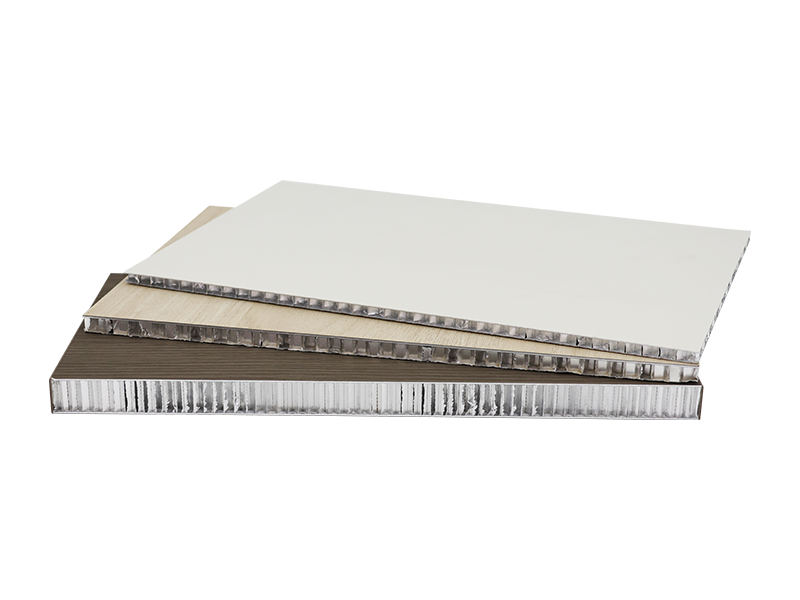
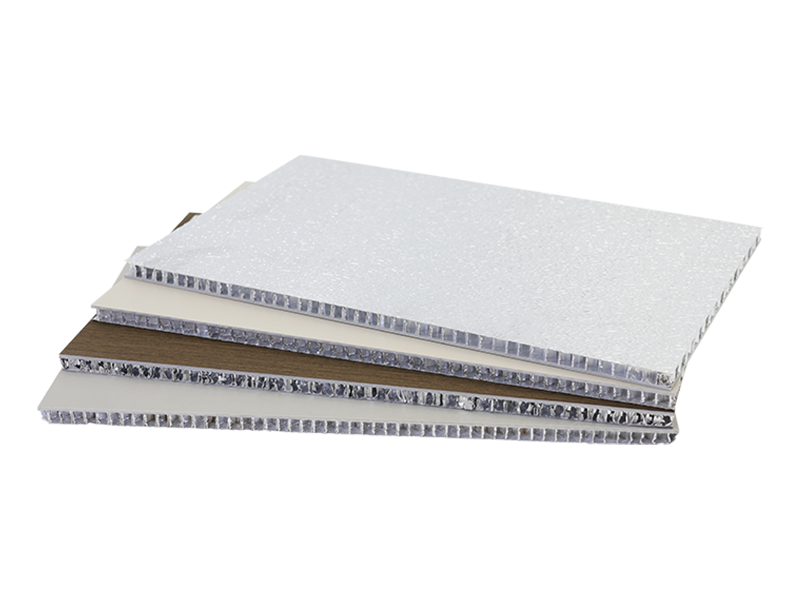
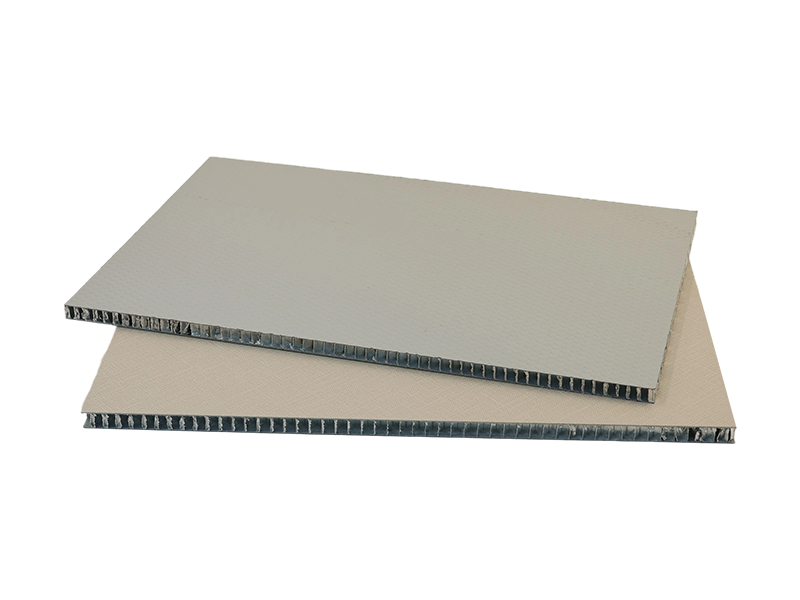
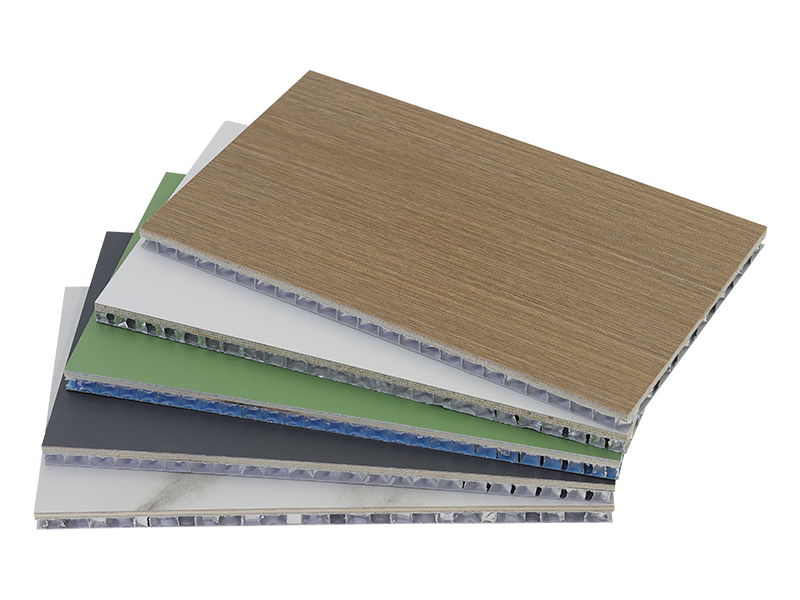
Aluminum Composite Panels are flat panels composed of two thin layers of aluminum enclosing a non-aluminum core. This structure provides strength while maintaining a lightweight profile. ACPs are available in various finishes, colors, and textures, making them versatile for numerous architectural applications. Their unique properties include excellent thermal insulation, fire resistance, and resistance to environmental factors such as UV rays and moisture.
3. Benefits of Using Aluminum Composite Panels in Building Design
The adoption of ACPs in energy-efficient building design offers numerous advantages. Here are some of the primary benefits:
3.1 Sustainability and Environmental Impact
Aluminum is a highly recyclable material, which reduces its environmental footprint. ACPs can be produced with recycled content, promoting sustainable practices in construction. Their longevity also means that buildings require fewer materials over time, contributing to reduced resource consumption.
3.2 Energy Efficiency and Thermal Insulation
One of the most significant benefits of ACPs is their thermal insulation properties. They can help regulate indoor temperatures, reducing the need for heating and cooling systems. Consequently, this leads to lower energy bills and a reduced carbon footprint. The ability to reflect solar radiation also contributes to energy conservation.
3.3 Aesthetic Versatility and Design Flexibility
ACPs come in an array of colors and finishes, offering architects the freedom to be creative in their designs. Whether aiming for a modern look or a classic facade, ACPs can adapt to any architectural style, enhancing the visual appeal of any structure.
4. Applications of Aluminum Composite Panels in Architecture
Aluminum Composite Panels can be applied in various areas of building design, showcasing their innovative potential.
4.1 Facade Cladding
The most common use of ACPs is in facade cladding. Their lightweight nature reduces the load on building structures, while their durability ensures they withstand harsh weather conditions. Additionally, their reflective surfaces can help minimize heat absorption.
4.2 Interior Applications
ACPs are not limited to exterior applications; they can also enhance interior spaces. They are often used for walls, ceilings, and partitions, providing a modern look while being easy to clean and maintain.
4.3 Roof and Canopy Designs
ACPs can be utilized in roofing and canopy designs, offering weather resistance and aesthetic appeal. Their lightweight nature ensures that structural integrity is maintained while providing cover and protection from the elements.
5. Innovative Techniques for Maximizing Energy Efficiency with ACPs
To fully realize the potential of ACPs in energy-efficient building design, several innovative techniques can be employed.
5.1 Integration with Renewable Energy Systems
Incorporating renewable energy systems, such as solar panels, with ACP installations can significantly boost a building’s energy efficiency. By creating a synergistic system, buildings can harness natural energy sources while reducing dependence on traditional power grids.
5.2 Building Orientation and Panel Installation
The orientation of a building and the strategic installation of ACPs can enhance energy efficiency. Proper alignment can maximize natural light and ventilation, while the positioning of panels can minimize heat loss or gain during varying seasons.
6. Case Studies: Successful Energy-Efficient Buildings with ACPs
Examining real-world examples of buildings that effectively use ACPs can provide insight into best practices and innovative solutions. Several renowned architectural projects have utilized ACPs to enhance energy efficiency, demonstrating their effectiveness in modern design.
For instance, the **Green Building** in Chicago features ACPs prominently in its facade, contributing to an energy-efficient design that has received LEED certification. The use of high-quality ACPs has allowed the building to maintain a consistent indoor climate while minimizing energy consumption.
7. Frequently Asked Questions
7.1 What are the key advantages of aluminum composite panels?
The key advantages include sustainability, energy efficiency, aesthetic versatility, and durability.
7.2 How do aluminum composite panels contribute to energy efficiency?
ACPs provide excellent thermal insulation, helping to regulate indoor temperatures and reduce reliance on heating and cooling systems.
7.3 Are aluminum composite panels environmentally friendly?
Yes, ACPs are made from recyclable materials and can be manufactured with recycled content, making them a sustainable choice in construction.
7.4 Can ACPs be used for both interior and exterior applications?
Absolutely, ACPs are versatile and can be used in both interior and exterior applications, offering design flexibility and durability.
7.5 How do I maintain aluminum composite panels?
Maintaining ACPs is relatively simple; they require regular cleaning with mild detergents and water to keep their appearance.
8. Conclusion
In conclusion, aluminum composite panels are revolutionizing the approach to energy-efficient building design. Their myriad benefits, ranging from durability to aesthetic versatility, make them an ideal choice for architects and builders aiming to create sustainable structures. By integrating innovative techniques and understanding the full potential of ACPs, we can design buildings that not only meet the demands of modern aesthetics but also contribute to a more sustainable future. Embracing these materials is not just a trend; it's a vital step towards energy efficiency and environmental responsibility in architecture.
Related News


Contact Us
Email: gzln01@gzln-buildingmaterials.com
Tel / Whatsapp: +86 19926019345
Factory Address:No. 1, Chuangye West Road, Hengchuang Industrial Park, Zhongxin Town, Zengcheng District, Guangzhou City, Guangdong Province, China
Online Message
Distributor Following
Welcome same-minded global partners to expand your local market together!
You need to meet the following conditions:
1. Some experience in the Building Materials Industry
2. There are certain sales channels available
3.Love and decide to explore the local market together
Whatsapp: +86 19926019345
Welcome to leave a message!