

May 01,2026
Aluminum Composite Panel: Structure, Properties, Applications, and Advantages
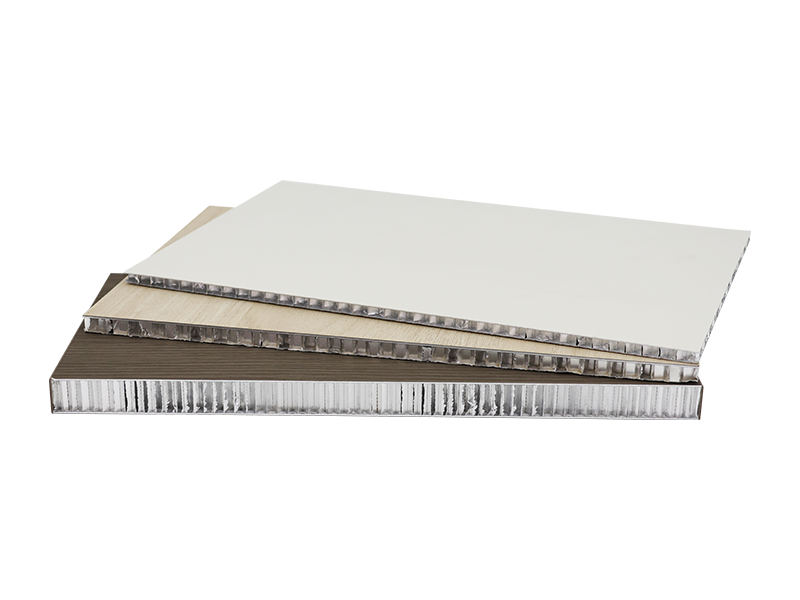
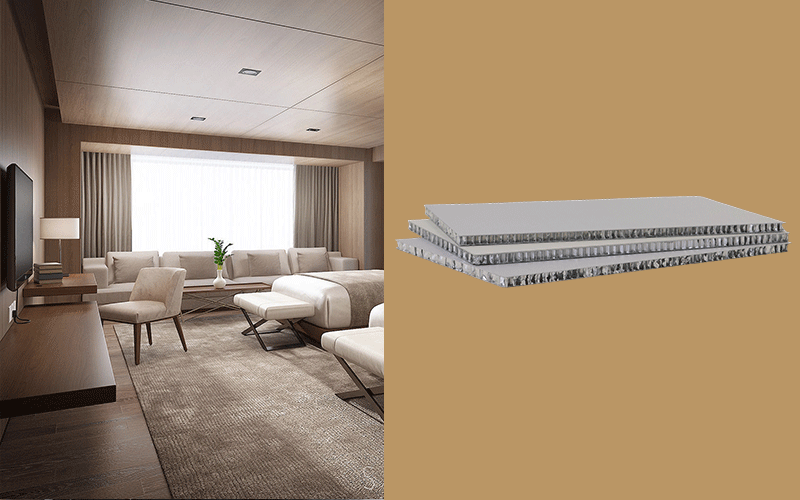
Get Quote NowAluminum composite panel (ACP) is a widely used modern building and decorative material composed of two thin aluminum sheets bonded to a non-aluminum core, typically made of polyethylene (PE) or fire-resistant mineral-filled material. This layered structure combines the strength and durability of aluminum with the lightweight characteristics of the core, resulting in a versatile and cost-effective solution for a wide range of applications.
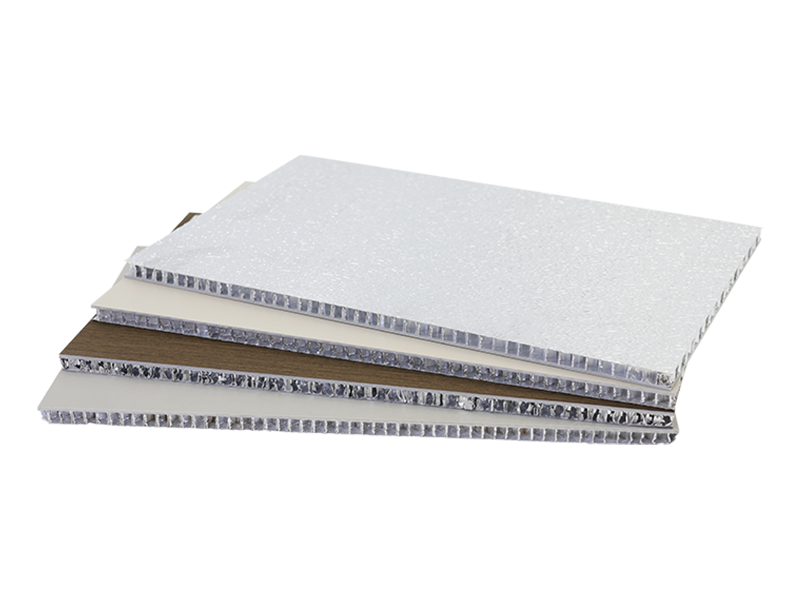
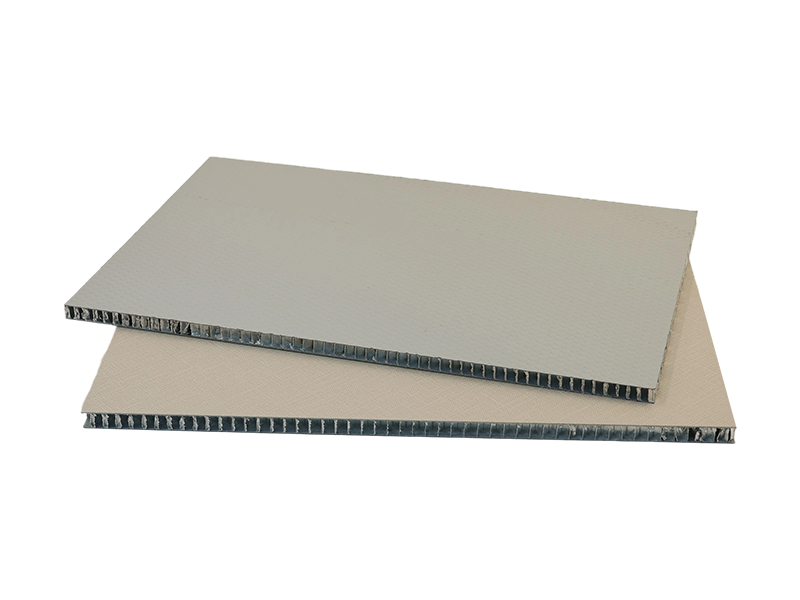
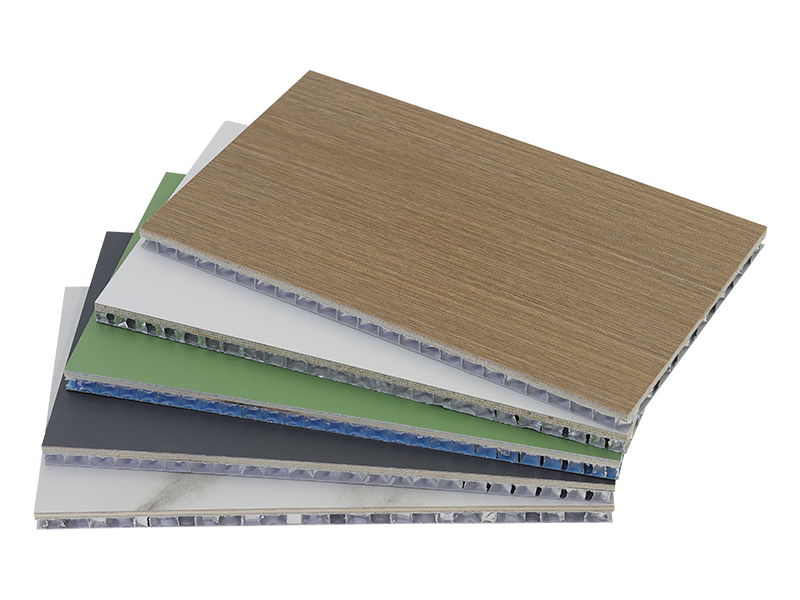
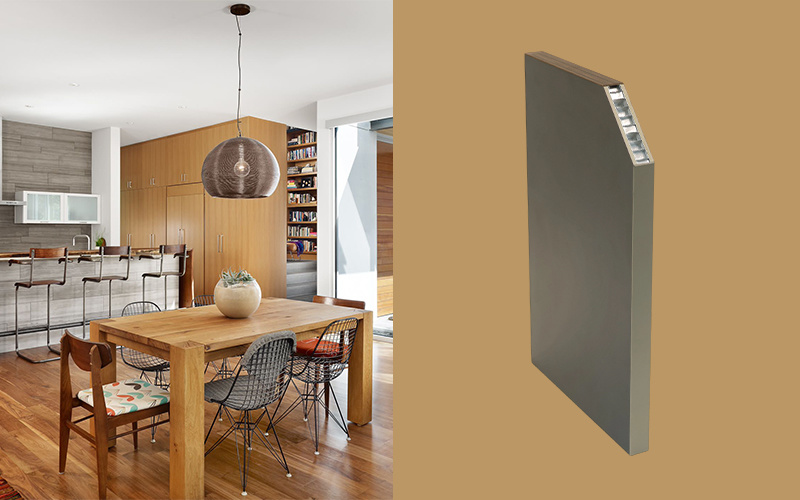
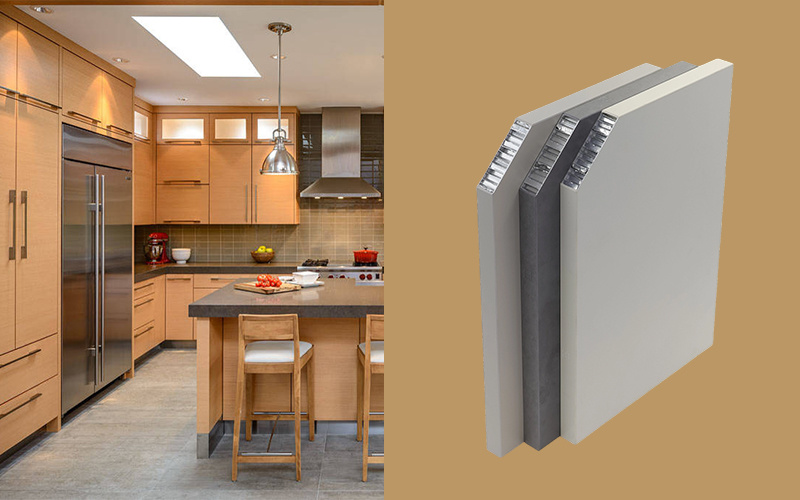
The structure of an aluminum composite panel consists of a top aluminum layer coated with protective and decorative finishes, a core layer that provides thickness and rigidity, and a bottom aluminum layer that ensures structural balance. The surface coating is often treated with PVDF (polyvinylidene fluoride) or polyester paint, which enhances weather resistance, UV stability, and color retention, making ACP suitable for long-term outdoor use.
One of the key advantages of aluminum composite panels is their lightweight nature combined with high strength. Compared to solid aluminum sheets or other traditional materials, ACP provides excellent rigidity without adding significant weight. This makes it easier to handle, transport, and install, reducing construction time and labor costs.
Aluminum composite panels also offer excellent flatness and smooth surface quality, which are essential for modern architectural aesthetics. They can be easily cut, bent, drilled, and shaped into various forms, allowing designers and architects to achieve complex and creative designs. This flexibility makes ACP a popular choice for building facades, curtain walls, signage, and interior decoration.
In terms of durability, ACP demonstrates strong resistance to weather conditions such as rain, wind, sunlight, and temperature fluctuations. The protective coatings prevent corrosion and fading, ensuring long-lasting appearance and performance. Fire-resistant ACP variants are available, using mineral-filled cores that improve fire safety and meet building regulations in many regions.
Thermal and acoustic insulation are additional benefits of aluminum composite panels. The core layer helps reduce heat transfer and sound transmission, contributing to energy efficiency and improved indoor comfort in buildings. These properties make ACP suitable for both exterior and interior applications.
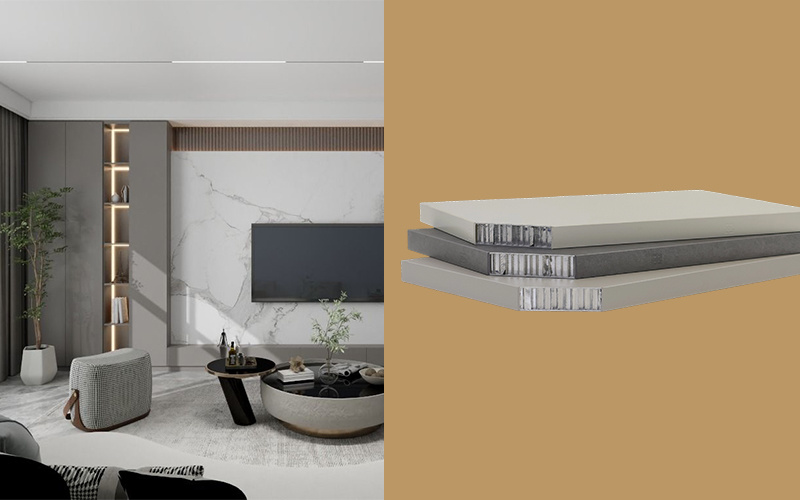
Aluminum composite panels are widely used in construction for exterior cladding, curtain walls, roofing, and renovation projects. In commercial applications, they are commonly used for signage, advertising boards, and display systems due to their smooth surface and ease of printing. In interior design, ACP is used for wall panels, ceilings, partitions, and decorative elements.
The manufacturing process of ACP involves bonding aluminum sheets to the core material under heat and pressure using advanced continuous lamination technology. This ensures strong adhesion, uniform thickness, and consistent quality. Various customization options are available, including different colors, textures, finishes, and core types to meet specific project requirements.
Despite their many advantages, aluminum composite panels require proper installation and maintenance to ensure optimal performance. Improper handling or exposure to extreme conditions without suitable coatings may affect durability. Additionally, selecting fire-resistant variants is important for applications with strict safety standards.
Recent advancements in ACP technology include improved fire-retardant cores, environmentally friendly materials, and enhanced coating systems. These developments have expanded the applications of ACP and improved its performance in modern construction and design.
In conclusion, aluminum composite panels are highly versatile materials that combine lightweight construction, durability, aesthetic appeal, and ease of fabrication. Their wide range of applications in architecture, advertising, and interior design highlights their importance in contemporary building solutions. As technology continues to evolve, ACP will remain a key material in innovative and sustainable construction projects.
Related News


Contact Us
Email: gzln01@gzln-buildingmaterials.com
Tel / Whatsapp: +86 19926019345
Factory Address:No. 1, Chuangye West Road, Hengchuang Industrial Park, Zhongxin Town, Zengcheng District, Guangzhou City, Guangdong Province, China
Online Message
Distributor Following
Welcome same-minded global partners to expand your local market together!
You need to meet the following conditions:
1. Some experience in the Building Materials Industry
2. There are certain sales channels available
3.Love and decide to explore the local market together
Whatsapp: +86 19926019345
Welcome to leave a message!