

Jun 20,2026
Exploring the Sustainability of Aluminum Honeycomb Materials: A Comprehensive Guide
Get Quote NowExploring the Sustainability of Aluminum Honeycomb Materials
Table of Contents
- Introduction to Aluminum Honeycomb Materials
- What is Aluminum Honeycomb?
- Benefits of Aluminum Honeycomb Materials
- Applications of Aluminum Honeycomb Materials
- Recycling and Lifecycle of Aluminum Honeycomb
- The Future of Aluminum Honeycomb Materials in Sustainable Design
- Conclusion
- Frequently Asked Questions
Introduction to Aluminum Honeycomb Materials
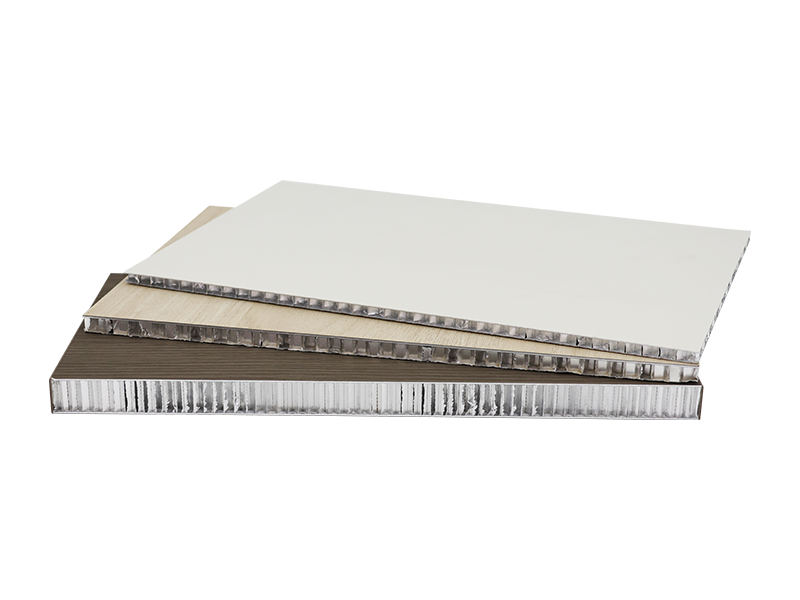
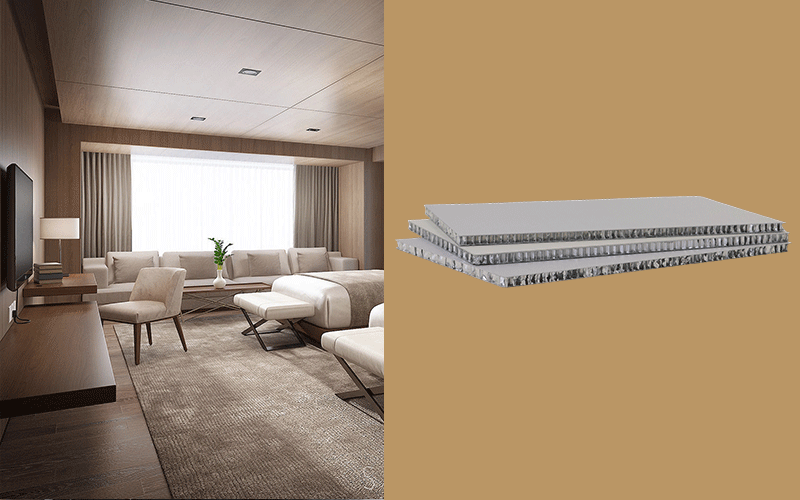
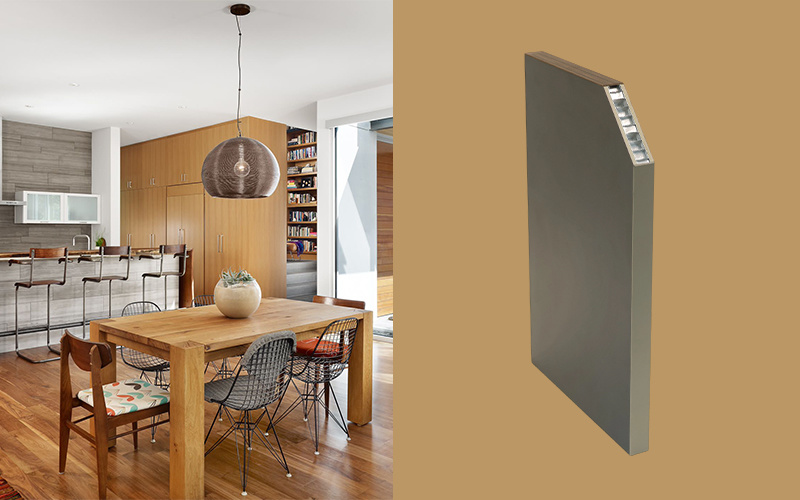
Aluminum honeycomb materials represent a significant advancement in building and construction technologies. Their unique structure consists of a lightweight core sandwiched between two thin sheets of aluminum, creating a robust yet flexible material that meets the rising demands for sustainability and efficiency in modern architecture. This article will explore the sustainability aspects of aluminum honeycomb materials, emphasizing their benefits, applications, and future in construction.
What is Aluminum Honeycomb?
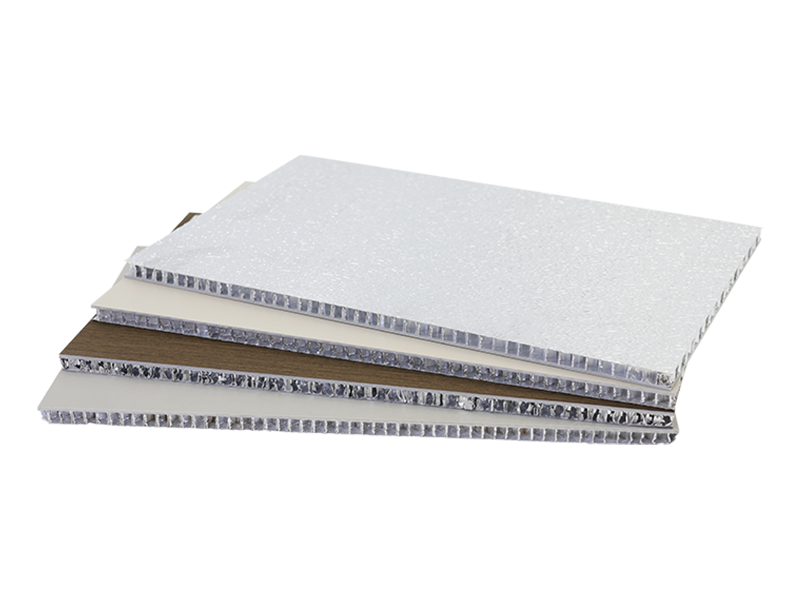
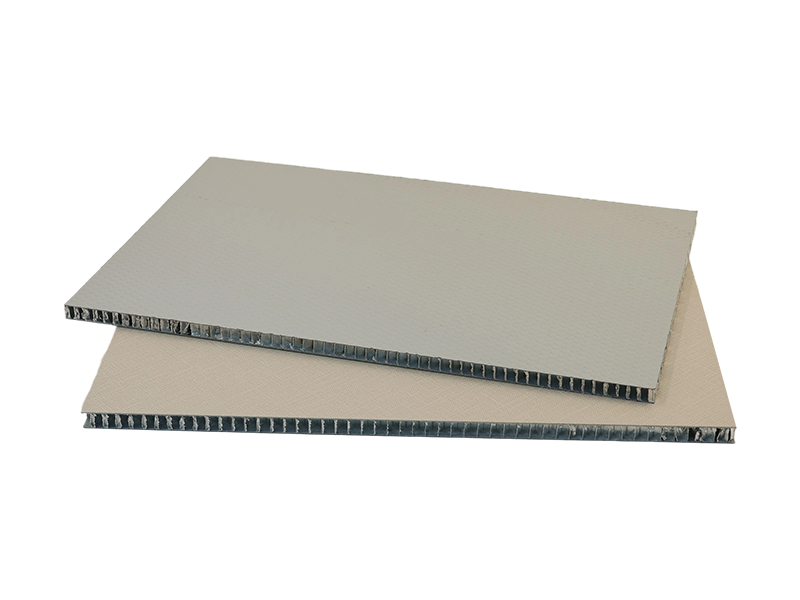
Aluminum honeycomb is a composite material made from a honeycomb-shaped core structure formed from aluminum alloy and covered with aluminum sheets. This distinctive construction offers exceptional strength-to-weight ratios, making it an ideal choice for various industries, including aerospace, transportation, and architecture. The honeycomb design is not only visually appealing but also contributes to its remarkable energy absorption and structural integrity.
Benefits of Aluminum Honeycomb Materials
Lightweight Yet Strong
One of the most significant advantages of aluminum honeycomb materials is their lightweight nature combined with exceptional strength. The innovative design allows for reduced material usage while maintaining high structural integrity, making them perfect for applications where weight is a concern without compromising performance. Building structures with aluminum honeycomb can lead to lower transportation costs, reduced energy consumption, and improved overall efficiency.
Energy Efficiency in Construction
Aluminum honeycomb materials offer remarkable thermal insulation properties, contributing to energy efficiency in buildings. By utilizing these materials, architects can create structures that require less heating and cooling, reducing energy consumption and lowering utility costs. The energy-efficient characteristics of aluminum honeycomb panels align with modern sustainability goals, making them an attractive option for eco-conscious builders and developers.
Low Environmental Impact
Aluminum is inherently recyclable, and the production of aluminum honeycomb materials requires less energy than traditional construction materials. Furthermore, since these products are lightweight, they lead to lower greenhouse gas emissions during transportation and installation. By choosing aluminum honeycomb materials, builders can significantly reduce their carbon footprint and contribute to a more sustainable construction industry.
Applications of Aluminum Honeycomb Materials
Architectural Uses
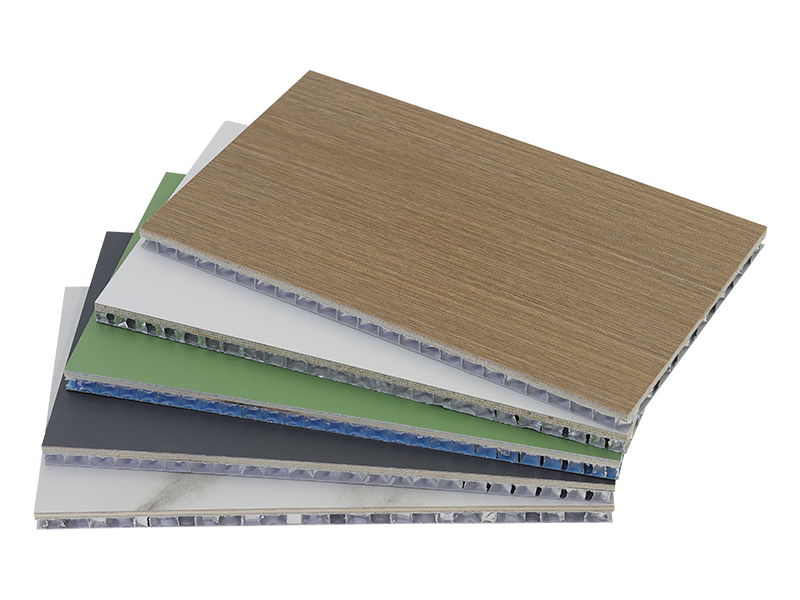
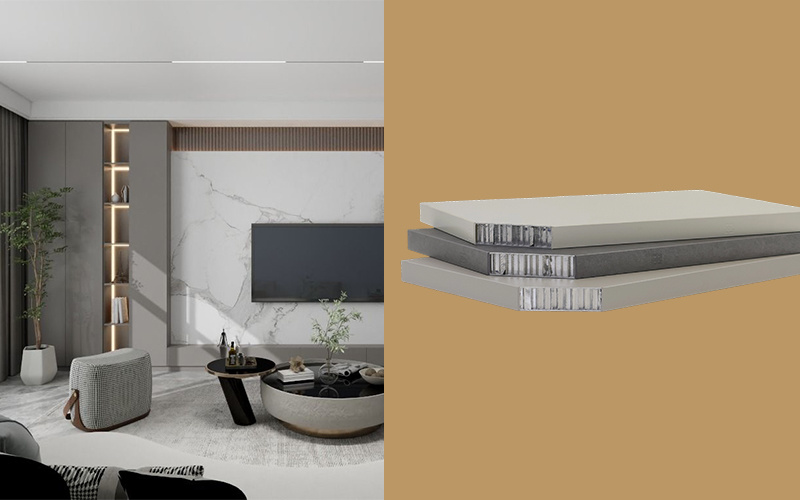
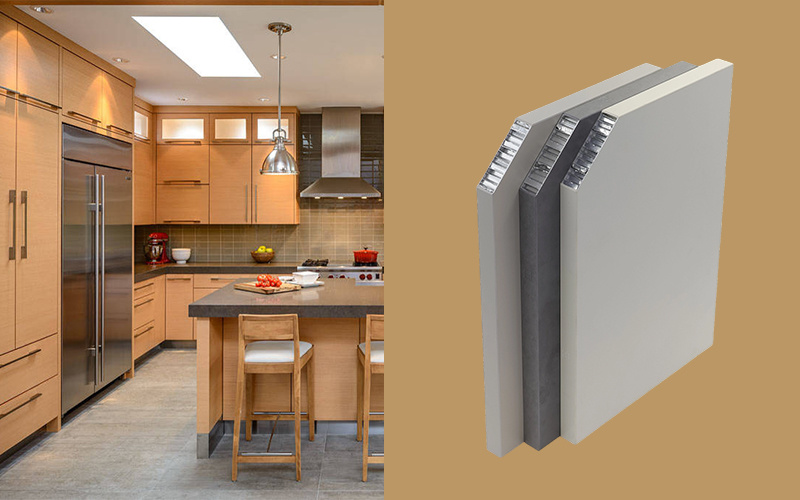
Aluminum honeycomb materials are increasingly used in architectural applications due to their aesthetic appeal and functional benefits. From facades to interior partitions, these materials can be crafted into various shapes and finishes, offering versatility in design. Their lightweight nature allows for innovative architectural forms, providing designers with the freedom to explore modern aesthetics while maintaining structural stability.
Transportation Industry
In the transportation sector, aluminum honeycomb materials are employed in manufacturing lightweight vehicle components, which contribute to fuel efficiency and performance. Aircraft, trains, and automobiles benefit from the reduced weight without sacrificing strength, leading to lower emissions and enhanced agility. The application of aluminum honeycomb in transportation not only optimizes performance but also aligns with global sustainability initiatives.
Recycling and Lifecycle of Aluminum Honeycomb
Aluminum honeycomb materials boast an impressive lifecycle, beginning from their sustainable production processes to their eventual recycling. The recyclability of aluminum ensures that these materials can be reused multiple times without losing quality. This contributes to a circular economy where waste is minimized, and resources are utilized efficiently. Moreover, recycling aluminum requires significantly less energy compared to primary aluminum production, further reducing environmental impact.
The Future of Aluminum Honeycomb Materials in Sustainable Design
As the demand for sustainable building materials continues to rise, aluminum honeycomb materials are poised for significant growth in the construction industry. Innovations in technology and manufacturing processes are expected to enhance their properties, making them even more attractive for various applications. The emphasis on sustainability in architectural practices suggests that aluminum honeycomb will play a pivotal role in shaping the future of environmentally responsible design.
Conclusion
Aluminum honeycomb materials stand at the forefront of sustainable construction, offering a range of benefits including lightweight strength, energy efficiency, and low environmental impact. Their versatility across multiple industries, from architecture to transportation, highlights their importance in modern design and construction practices. As we move towards a more sustainable future, the role of aluminum honeycomb materials will only continue to expand, making them an essential component of eco-friendly building solutions.
Frequently Asked Questions
1. What are aluminum honeycomb materials used for?
Aluminum honeycomb materials are used in various applications, including architectural facades, interior partitions, transportation components, and aerospace structures due to their lightweight strength and energy efficiency.
2. How sustainable are aluminum honeycomb materials?
Aluminum honeycomb materials are highly sustainable as they are recyclable, energy-efficient, and have a low environmental impact throughout their lifecycle.
3. Can aluminum honeycomb materials be customized?
Yes, aluminum honeycomb materials can be customized in terms of size, shape, and finish to meet specific design requirements and preferences.
4. Are aluminum honeycomb materials cost-effective?
While the initial cost may be higher than traditional materials, the long-term savings in energy efficiency, reduced transportation costs, and lower maintenance often make aluminum honeycomb materials a cost-effective choice.
5. What is the lifespan of aluminum honeycomb materials?
With proper care and maintenance, aluminum honeycomb materials can last several decades, making them a durable option for various construction applications.
Related News


Contact Us
Email: gzln01@gzln-buildingmaterials.com
Tel / Whatsapp: +86 19926019345
Factory Address:No. 1, Chuangye West Road, Hengchuang Industrial Park, Zhongxin Town, Zengcheng District, Guangzhou City, Guangdong Province, China
Online Message
Distributor Following
Welcome same-minded global partners to expand your local market together!
You need to meet the following conditions:
1. Some experience in the Building Materials Industry
2. There are certain sales channels available
3.Love and decide to explore the local market together
Whatsapp: +86 19926019345
Welcome to leave a message!