

Jul 05,2026
Understanding Aluminium Composite Boards: A Comprehensive Guide for Architects and Designers
Get Quote Now
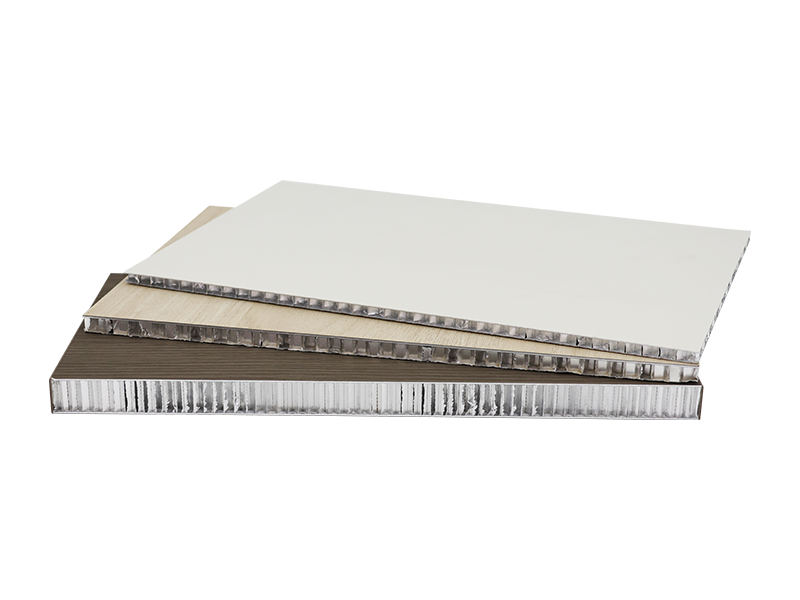
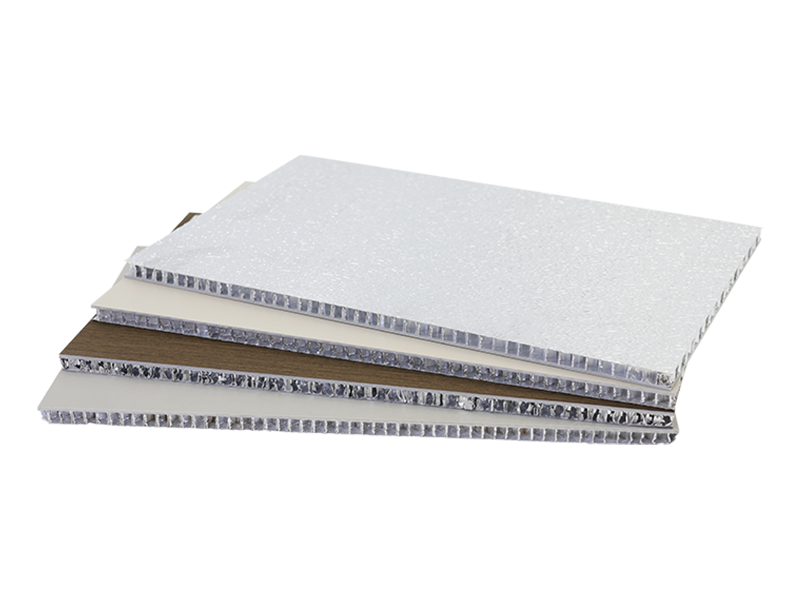
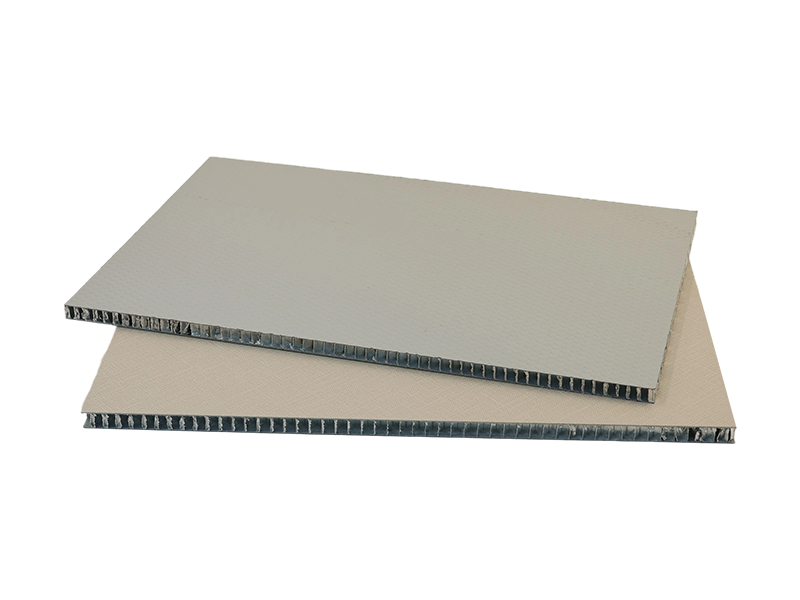
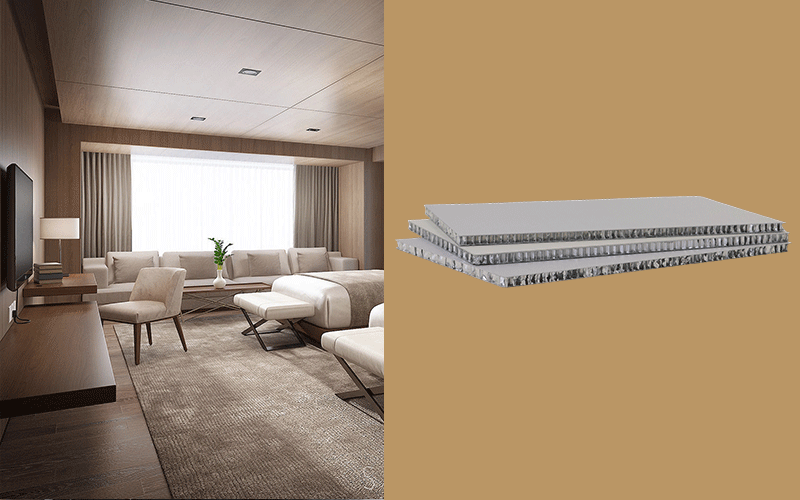
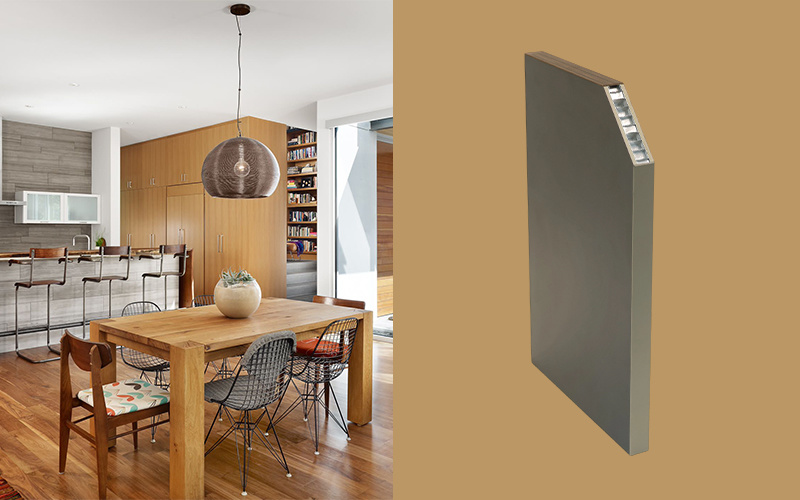
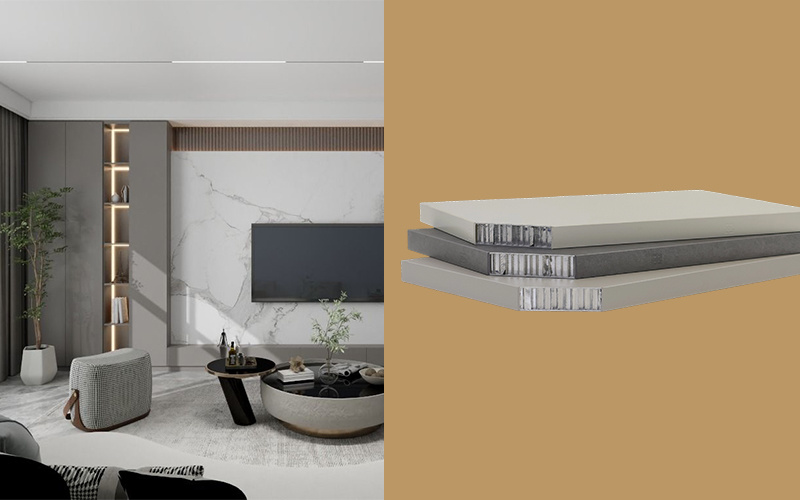
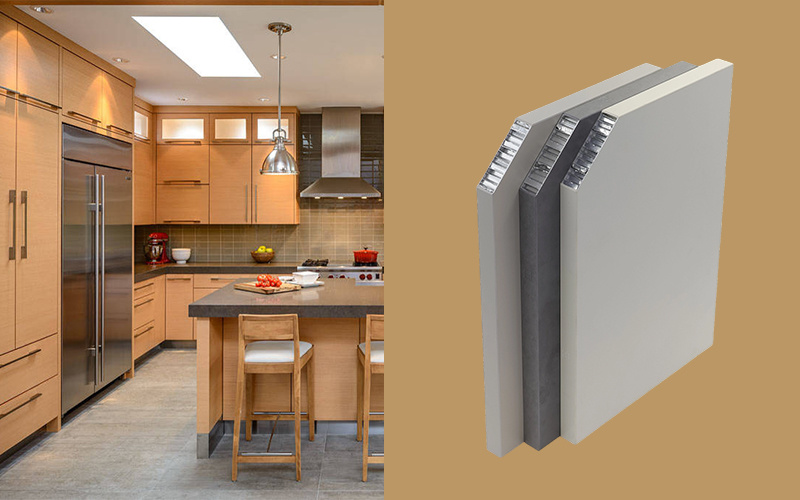
Aluminium composite boards (ACB) are engineered materials that consist of two thin layers of aluminium enclosing a non-aluminium core, typically made from polyethylene or a mineral-based material. This unique composition provides several advantageous properties that make ACB an ideal choice for a variety of applications in the building and design industry.
One of the standout features of aluminium composite boards is their exceptional strength-to-weight ratio. ACBs are lightweight yet robust, making them easier to handle and install compared to traditional materials. This characteristic not only simplifies the construction process but also reduces the overall weight of the structure, which can be particularly beneficial in projects where weight constraints are critical.
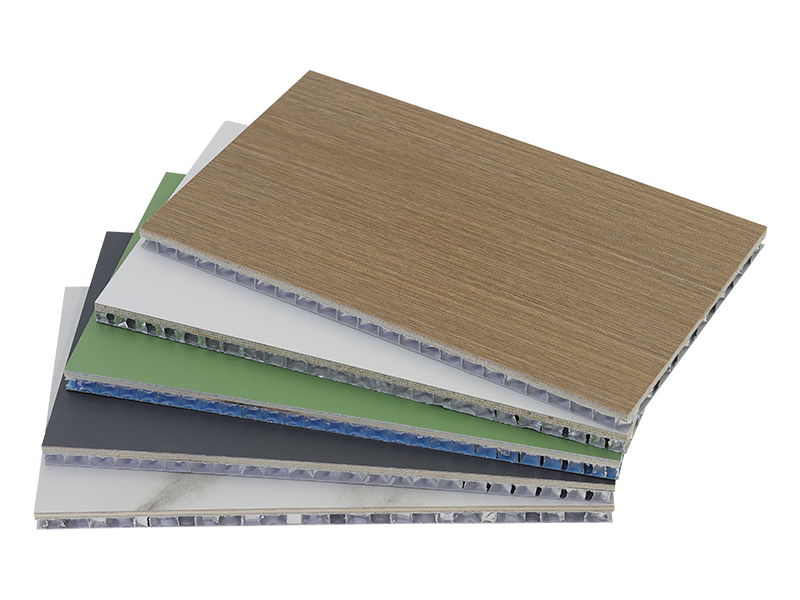
Another significant advantage of aluminium composite boards is their durability. They are resistant to corrosion, weathering, and UV radiation, which ensures a long lifespan with minimal maintenance. This durability makes ACBs suitable for both interior and exterior applications, including façade cladding, signage, and interior partitions. The surface can also be finished in various colors and textures, allowing for aesthetic versatility that caters to different design preferences.
In addition to their functional characteristics, ACBs provide excellent insulation properties. The core material contributes to thermal insulation, which can enhance energy efficiency in buildings. This aspect is especially important in today’s construction practices, where sustainability and energy conservation are paramount. By using ACBs, architects and builders can contribute to reducing energy consumption, aligning with green building initiatives.
When considering the use of aluminium composite boards, it’s essential to understand the installation process. Proper handling and installation techniques are crucial to prevent potential issues such as warping or delamination. It is advisable to follow manufacturers' guidelines for cutting, joining, and sealing, ensuring that ACBs perform optimally over time.
Moreover, ACBs offer exceptional sound insulation, making them suitable for commercial and residential spaces where noise reduction is a priority. For instance, they can be used in the construction of walls between units in multi-family dwellings or in commercial buildings located in noisy environments.
In conclusion, aluminium composite boards are a versatile and efficient material choice in the construction and decorative materials sector. Their combination of lightweight properties, durability, aesthetic flexibility, and insulation capabilities make them a preferred option for architects and designers. By understanding and leveraging these characteristics, professionals can elevate their projects, ensuring both functionality and visual appeal. Whether for new constructions or renovations, ACBs present a compelling solution for modern building challenges.
One of the standout features of aluminium composite boards is their exceptional strength-to-weight ratio. ACBs are lightweight yet robust, making them easier to handle and install compared to traditional materials. This characteristic not only simplifies the construction process but also reduces the overall weight of the structure, which can be particularly beneficial in projects where weight constraints are critical.
Another significant advantage of aluminium composite boards is their durability. They are resistant to corrosion, weathering, and UV radiation, which ensures a long lifespan with minimal maintenance. This durability makes ACBs suitable for both interior and exterior applications, including façade cladding, signage, and interior partitions. The surface can also be finished in various colors and textures, allowing for aesthetic versatility that caters to different design preferences.
In addition to their functional characteristics, ACBs provide excellent insulation properties. The core material contributes to thermal insulation, which can enhance energy efficiency in buildings. This aspect is especially important in today’s construction practices, where sustainability and energy conservation are paramount. By using ACBs, architects and builders can contribute to reducing energy consumption, aligning with green building initiatives.
When considering the use of aluminium composite boards, it’s essential to understand the installation process. Proper handling and installation techniques are crucial to prevent potential issues such as warping or delamination. It is advisable to follow manufacturers' guidelines for cutting, joining, and sealing, ensuring that ACBs perform optimally over time.
Moreover, ACBs offer exceptional sound insulation, making them suitable for commercial and residential spaces where noise reduction is a priority. For instance, they can be used in the construction of walls between units in multi-family dwellings or in commercial buildings located in noisy environments.
In conclusion, aluminium composite boards are a versatile and efficient material choice in the construction and decorative materials sector. Their combination of lightweight properties, durability, aesthetic flexibility, and insulation capabilities make them a preferred option for architects and designers. By understanding and leveraging these characteristics, professionals can elevate their projects, ensuring both functionality and visual appeal. Whether for new constructions or renovations, ACBs present a compelling solution for modern building challenges.
Related News


Contact Us
Email: gzln01@gzln-buildingmaterials.com
Tel / Whatsapp: +86 19926019345
Factory Address:No. 1, Chuangye West Road, Hengchuang Industrial Park, Zhongxin Town, Zengcheng District, Guangzhou City, Guangdong Province, China
Online Message
Distributor Following
Welcome same-minded global partners to expand your local market together!
You need to meet the following conditions:
1. Some experience in the Building Materials Industry
2. There are certain sales channels available
3.Love and decide to explore the local market together
Whatsapp: +86 19926019345
Welcome to leave a message!