

Jun 30,2026
The Science Behind Honeycomb Panels: How They Enhance Energy Efficiency
Get Quote NowThe Science Behind Honeycomb Panels: How They Enhance Energy Efficiency
Introduction to Honeycomb Panels and Their Benefits
Honeycomb panels are emerging as a game-changer in the construction and decoration materials sector, especially when it comes to enhancing energy efficiency. This article delves into the intricate science behind honeycomb panels, exploring their unique structure, materials, and the myriad benefits they offer.
The Unique Structure of Honeycomb Panels
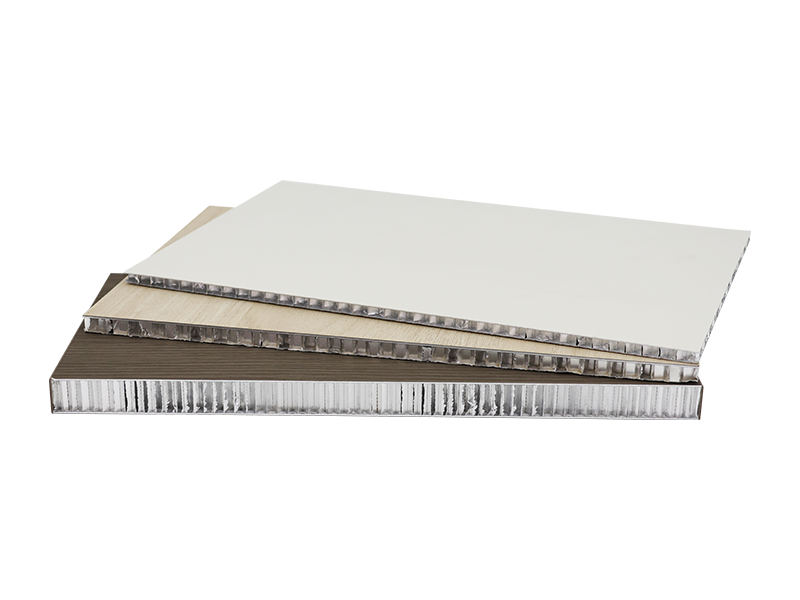
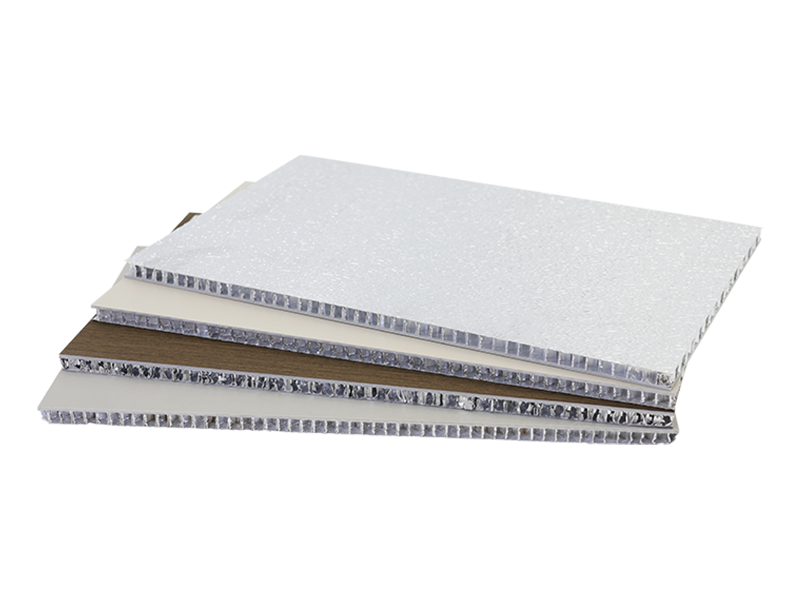
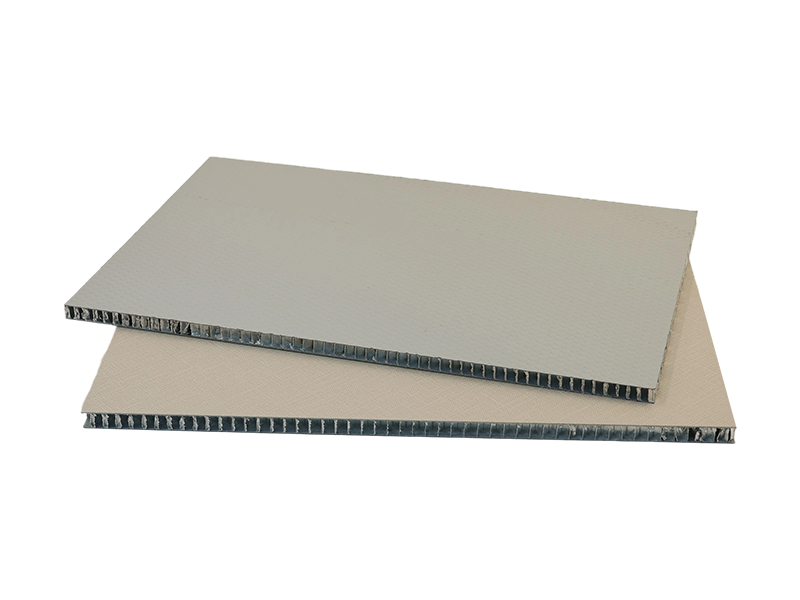
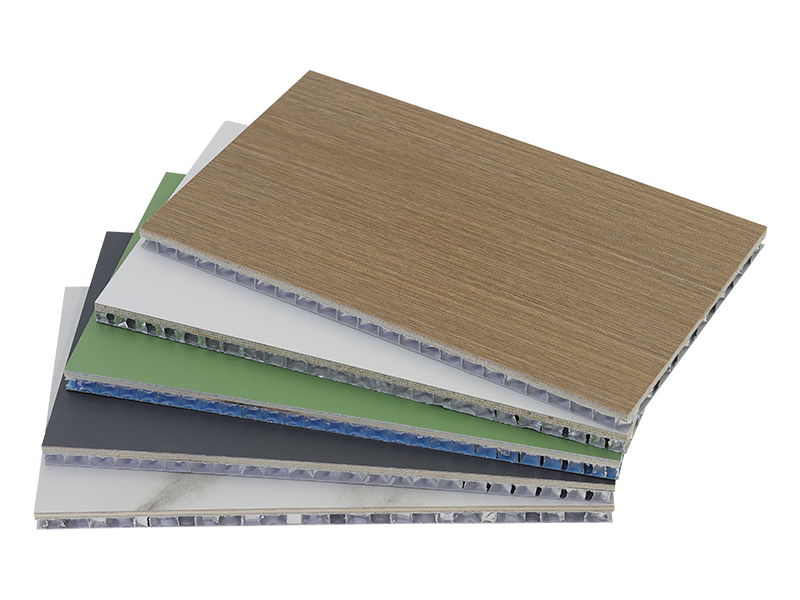
Honeycomb panels comprise a lightweight honeycomb core sandwiched between two outer layers, often made of various materials such as plywood, aluminum, or fiberglass. This ingenious design provides significant strength and stability while minimizing weight.
Understanding the Honeycomb Core
The core of honeycomb panels is typically crafted using a series of hexagonal cells that create a network of air pockets. This design serves multiple purposes:
1. **Strength and Durability**: The hexagonal configuration allows for high load-bearing capacity without the excess weight.
2. **Thermal Insulation**: The air pockets within the core create an insulating barrier that limits heat transfer, enhancing energy efficiency.
3. **Acoustic Properties**: Honeycomb panels can also provide sound insulation, making them an excellent choice for environments where noise reduction is crucial.
Material Options for Honeycomb Panels
While the core structure is vital, the materials used for the outer layers significantly influence the panel's overall performance. Common materials include:
- **Plywood**: Offers a classic look and is widely used in interiors.
- **Aluminum**: Provides a modern, sleek aesthetic while enhancing durability and resistance to environmental factors.
- **Fiberglass**: Known for its lightweight properties and resistance to corrosion, making it ideal for various applications.
Energy Efficiency: The Key Advantages of Honeycomb Panels
Honeycomb panels are designed with energy efficiency in mind. Here are some critical advantages that make them stand out in energy-efficient construction:
1. Reduced Thermal Conductivity
The air pockets in the honeycomb core significantly reduce thermal conductivity. By minimizing heat transfer between the interior and exterior, honeycomb panels maintain comfortable indoor temperatures, leading to reduced reliance on heating and cooling systems.
2. Lightweight Design for Greater Efficiency
Honeycomb panels are incredibly lightweight compared to traditional materials. This offers several benefits:
- **Easier Transport and Installation**: Reduced weight decreases transportation costs and simplifies installation.
- **Lower Structural Load**: Lighter materials put less strain on building structures, potentially reducing the need for extensive foundational support.
3. Sustainable Material Usage
Honeycomb panels utilize less material without compromising strength. This not only reduces waste but also makes them an eco-friendly choice in construction. Additionally, many manufacturers are adopting sustainable practices, such as sourcing materials responsibly, to create a more environmentally friendly product.
4. Enhanced Indoor Air Quality
Utilizing non-toxic materials and finishes in honeycomb panels contributes to better indoor air quality. This factor is vital for health-conscious building designs, making honeycomb panels an excellent choice for residential and commercial properties.
5. Versatility in Applications
Honeycomb panels can be used across various applications, including:
- **Interior Partitions**: Ideal for creating lightweight and aesthetically pleasing office spaces.
- **Facade Systems**: They serve as attractive and functional exterior cladding options.
- **Furniture Design**: Their lightweight nature makes them suitable for innovative and modern furniture solutions.
The Role of Honeycomb Panels in Sustainable Architecture
As the world moves towards sustainable architecture, honeycomb panels play a crucial role in helping builders meet energy efficiency standards. Their lightweight design and insulating properties contribute to green building certifications like LEED (Leadership in Energy and Environmental Design).
Integrating Honeycomb Panels into Architectural Designs
Architects and designers are increasingly recognizing the value of honeycomb panels in their projects. The ability to create visually stunning designs while ensuring energy efficiency is a significant advantage. Options such as custom finishes and varying panel sizes allow for creative flexibility in architectural applications.
Case Studies of Successful Implementations
Several projects have successfully integrated honeycomb panels to enhance energy efficiency. For example:
- **Commercial Office Buildings**: Incorporating honeycomb panels in facades has been shown to reduce energy consumption by up to 20%.
- **Residential Homes**: Homeowners using honeycomb panels in insulation have reported lower energy bills and improved comfort levels.
Challenges and Considerations in Using Honeycomb Panels
While honeycomb panels offer numerous advantages, there are challenges to consider when incorporating them into construction projects.
1. Cost Implications
While the upfront costs of honeycomb panels may be higher compared to traditional materials, long-term savings through energy efficiency and sustainability can offset these initial expenses.
2. Installation Expertise
Proper installation is critical to maximizing the benefits of honeycomb panels. It is essential to work with experienced professionals who understand the specific requirements of these materials.
Frequently Asked Questions (FAQs)
1. What are honeycomb panels made of?
Honeycomb panels typically consist of a honeycomb core made from materials like cardboard or plastic, sandwiched between two outer layers made from wood, aluminum, or fiberglass.
2. How do honeycomb panels improve energy efficiency?
The unique hexagonal structure of honeycomb panels creates air pockets that significantly reduce thermal conductivity, minimizing heat transfer and maintaining comfortable indoor temperatures.
3. Are honeycomb panels suitable for outdoor use?
Yes, honeycomb panels can be designed for outdoor applications, especially when using durable materials like aluminum or fiberglass that can withstand various weather conditions.
4. Can honeycomb panels be customized for specific projects?
Absolutely! Honeycomb panels are highly versatile and can be customized in terms of size, shape, and finishes to meet specific design requirements.
5. What are the environmental benefits of using honeycomb panels?
Honeycomb panels are eco-friendly due to their lightweight design, efficient use of materials, and potential for improved indoor air quality. They can also contribute to green building certifications.
Conclusion
In summary, honeycomb panels represent a remarkable advancement in construction and decoration materials, particularly in enhancing energy efficiency. Their unique design, sustainable materials, and versatility make them an ideal choice for architects, builders, and homeowners alike. As the demand for energy-efficient solutions continues to grow, honeycomb panels will undoubtedly play a pivotal role in shaping the future of sustainable architecture and construction practices. By understanding and embracing the science behind these innovative panels, we can build a more energy-efficient and environmentally friendly world.
Related News


Contact Us
Email: gzln01@gzln-buildingmaterials.com
Tel / Whatsapp: +86 19926019345
Factory Address:No. 1, Chuangye West Road, Hengchuang Industrial Park, Zhongxin Town, Zengcheng District, Guangzhou City, Guangdong Province, China
Online Message
Distributor Following
Welcome same-minded global partners to expand your local market together!
You need to meet the following conditions:
1. Some experience in the Building Materials Industry
2. There are certain sales channels available
3.Love and decide to explore the local market together
Whatsapp: +86 19926019345
Welcome to leave a message!