

Jul 10,2026
Aluminum Composite Panels: Merging Superior Functionality with Timeless Style
Get Quote NowAluminum Composite Panels: Combining Functionality with Style
Aluminum Composite Panels (ACP) have become a preferred choice in the construction and design industry, renowned for their exceptional durability, aesthetic versatility, and ease of maintenance. This article delves deep into the features, benefits, applications, and installation processes of ACPs. We aim to provide a thorough understanding of these innovative materials and how they can elevate both functionality and style in any project.
Table of Contents
- 1. What Are Aluminum Composite Panels?
- 2. Key Features of Aluminum Composite Panels
- 3. Benefits of Using Aluminum Composite Panels
- 4. Applications of Aluminum Composite Panels
- 5. Installation Process of Aluminum Composite Panels
- 6. Maintenance and Care for Aluminum Composite Panels
- 7. Aluminum Composite Panels vs. Other Materials
- 8. Future Trends in Aluminum Composite Panels
- 9. FAQs About Aluminum Composite Panels
- 10. Conclusion
1. What Are Aluminum Composite Panels?
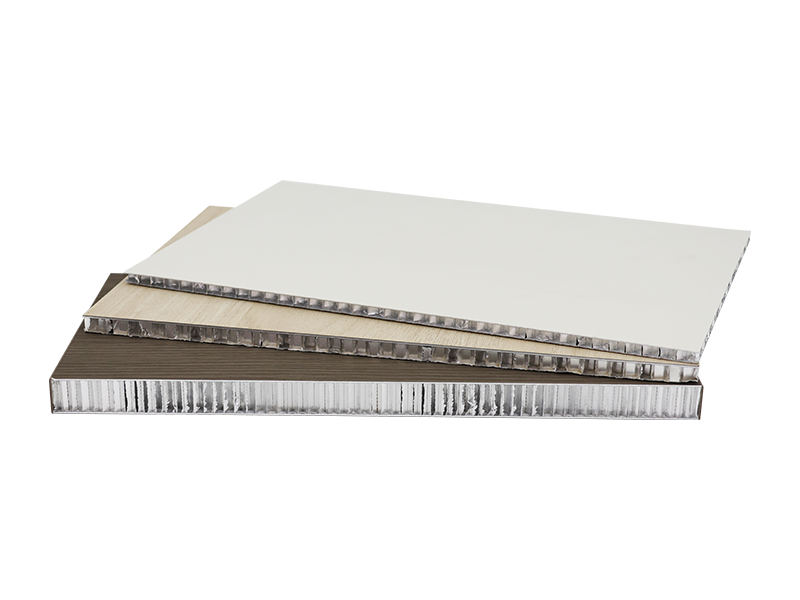
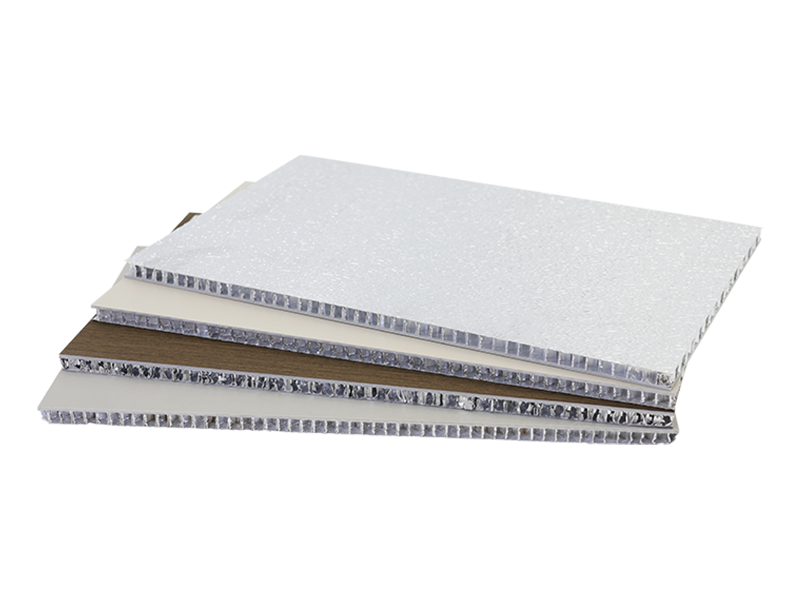
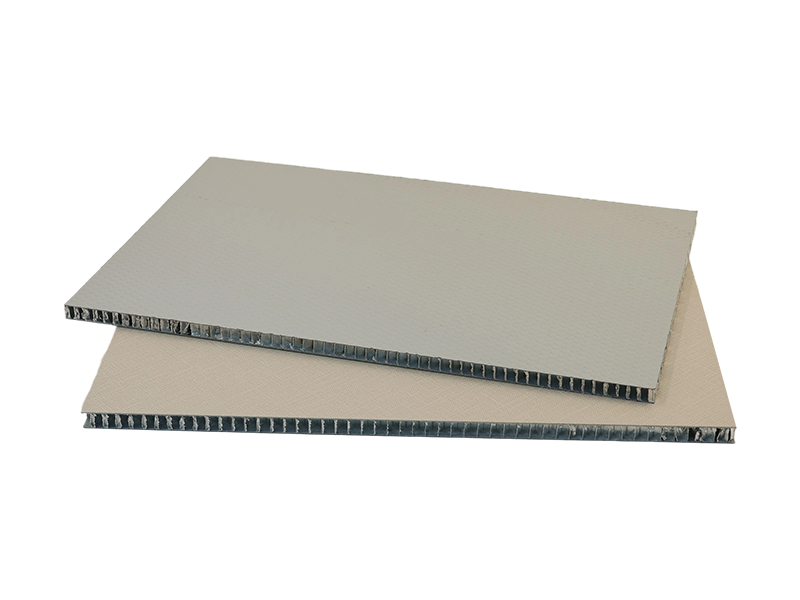
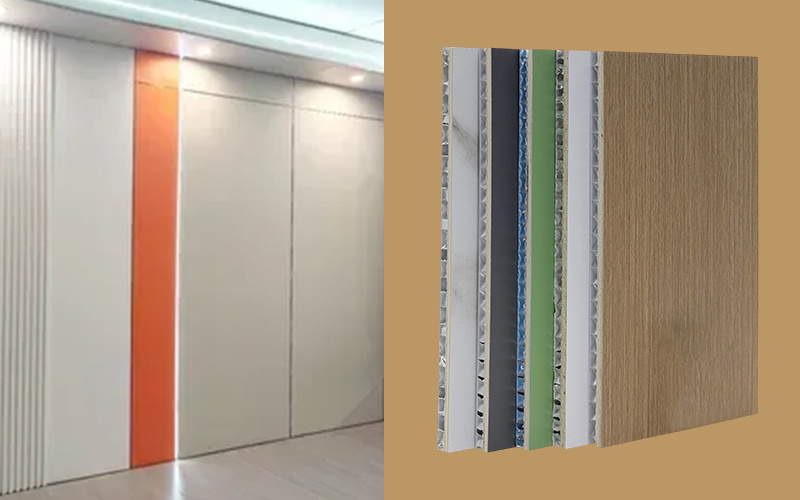
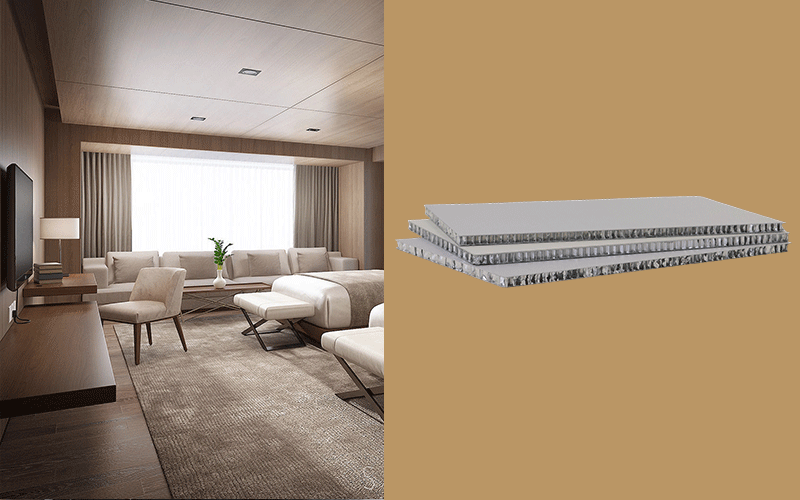
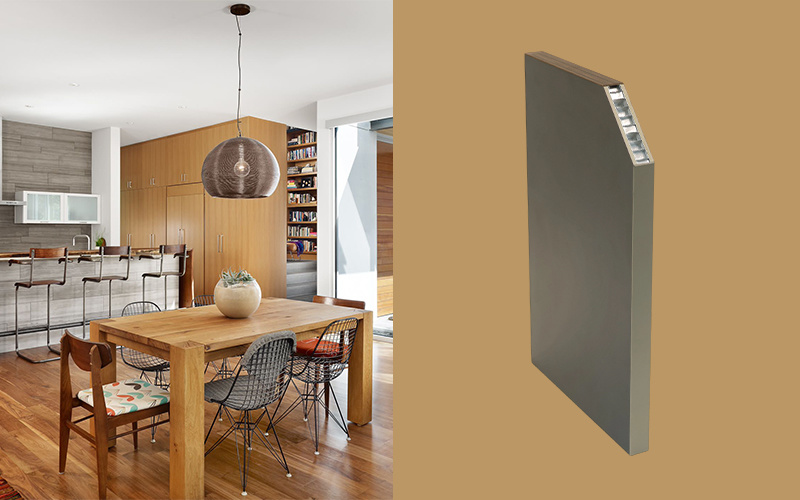
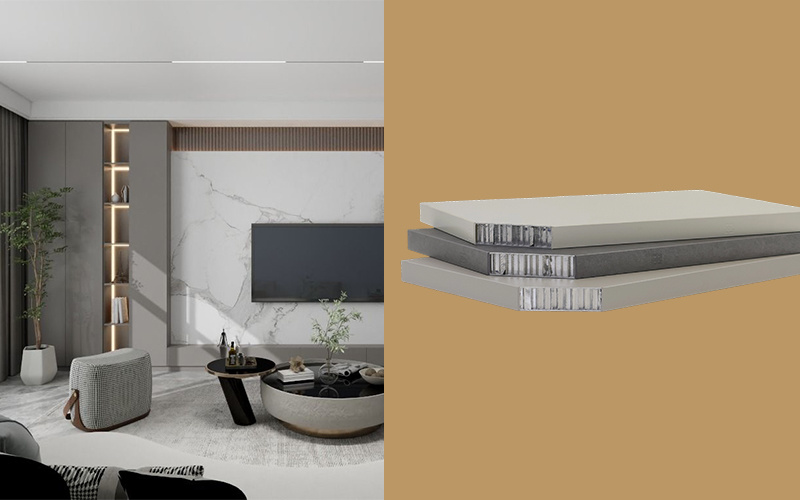
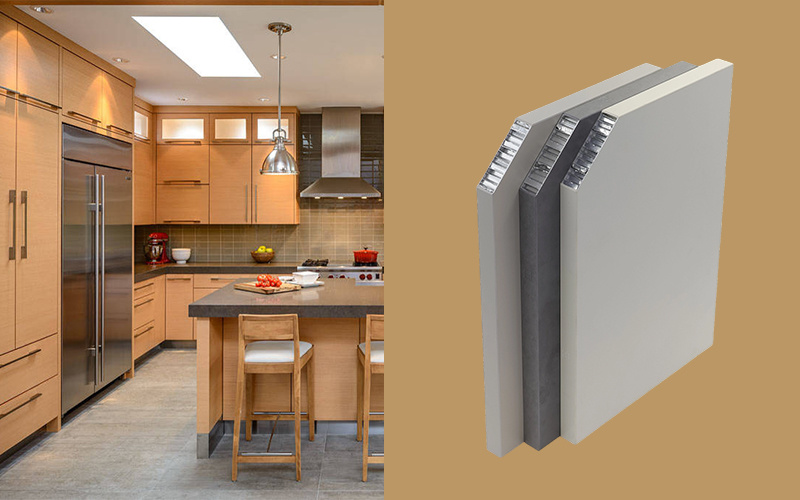
Aluminum Composite Panels are comprised of two thin layers of aluminum enclosing a non-aluminum core, typically made from materials like polyethylene or mineral-filled fire-resistant substances. This combination provides a robust yet lightweight panel that is ideal for various applications, from exterior cladding on buildings to interior design features.
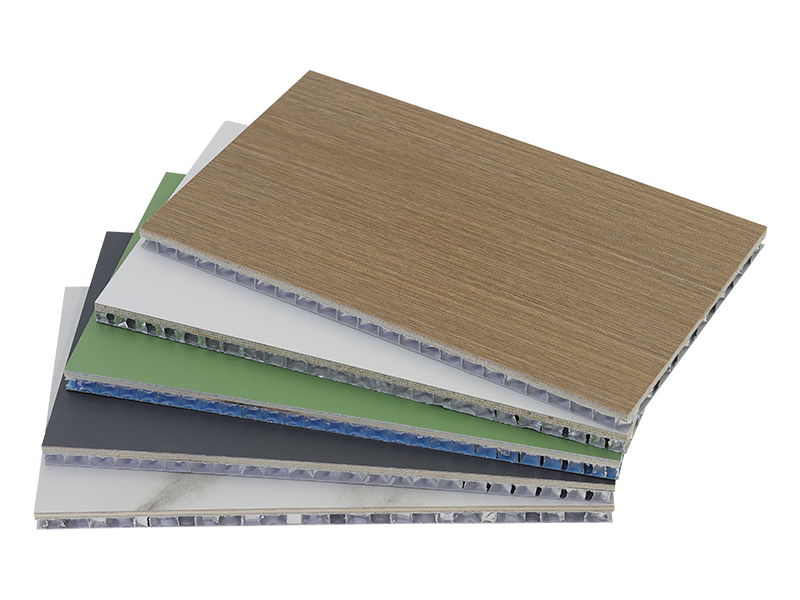
The versatility of aluminum composite panels allows for various finishes and colors, making them a popular choice among architects and designers. Their sleek appearance can enhance the visual appeal of any structure while providing essential functionality.
2. Key Features of Aluminum Composite Panels
Understanding the key features of ACPs provides insight into why they have become a staple in modern construction.
Durability and Strength
Aluminum Composite Panels are known for their impressive durability. They resist corrosion, UV radiation, and extreme weather conditions, making them suitable for both indoor and outdoor use. The panels' strength-to-weight ratio is exceptional, allowing for easy installation without compromising structural integrity.
Versatile Aesthetics
One of the standout features of ACPs is their aesthetic versatility. Available in an array of colors, textures, and finishes, they can mimic the appearance of natural materials like wood or stone. This flexibility allows architects to push creative boundaries while maintaining functionality.
Sound Insulation Properties
Aluminum Composite Panels also offer excellent sound insulation. The core material, combined with the aluminum layers, helps reduce noise transmission, making them a great choice for urban environments or buildings needing acoustic control.
Fire Resistance
Safety is paramount in construction, and many aluminum composite panels come with fire-resistant properties. Certain core materials are engineered to meet or exceed local fire codes, providing peace of mind for building owners and occupants.
3. Benefits of Using Aluminum Composite Panels
The benefits of aluminum composite panels extend beyond their features, making them an attractive choice for numerous applications.
Cost-Effectiveness
Despite their premium appearance and performance, ACPs are cost-effective in the long run. Their durability means lower maintenance and replacement costs over time. Additionally, their lightweight nature reduces shipping and labor costs during installation.
Eco-Friendly Options
Many manufacturers now produce aluminum composite panels using recycled materials, making them an eco-friendly option. Their recyclability contributes to a reduction in construction waste, aligning with sustainable building practices.
Easy Maintenance
The smooth surface of aluminum composite panels makes them easy to clean and maintain. Unlike traditional materials that may require regular painting or sealing, ACPs need only periodic washing to keep their appearance intact.
4. Applications of Aluminum Composite Panels
Aluminum Composite Panels are versatile and can be used in a wide array of applications, including:
Commercial Buildings
In commercial construction, ACPs are often used for facades, signage, and interior walls. Their ability to withstand adverse weather while maintaining a polished look makes them ideal for office buildings, shopping centers, and hotels.
Residential Projects
Homeowners increasingly opt for ACPs in residential designs, utilizing them for exterior cladding, decorative panels, and even interior features like accent walls.
Transport and Aviation
In the transport sector, aluminum composite panels are utilized in the interior of buses, trains, and aircraft due to their lightweight nature and ability to meet stringent safety regulations.
5. Installation Process of Aluminum Composite Panels
The installation process for aluminum composite panels involves several key steps to ensure a secure and effective application.
Preparation
Before beginning the installation, it's crucial to prepare the surface where the panels will be applied. Ensure the area is clean, dry, and devoid of any debris that could interfere with adhesion.
Cutting and Shaping
Aluminum composite panels can be easily cut to size using standard tools. Precise measurements are essential to avoid wastage and ensure a perfect fit during installation.
Fixing Panels
Panels can be fixed to the wall using mechanical fasteners or adhesive, depending on the project requirements. It's essential to follow the manufacturer's guidelines for fixing to ensure longevity and performance.
Sealing Joints
Sealing joints and edges is crucial to prevent moisture ingress and enhance the panels’ durability. Use appropriate sealants to ensure a watertight finish.
6. Maintenance and Care for Aluminum Composite Panels
To maintain the aesthetic appeal and performance of aluminum composite panels, regular maintenance is recommended.
Cleaning
Cleaning ACPs typically involves using a soft cloth or sponge with mild detergent. Avoid abrasive cleaners that could scratch the surface and diminish the panels' appearance.
Inspection
Regularly inspect the panels for any signs of damage or wear. Early detection of issues, such as dents or scratches, can often be repaired easily, preserving the integrity of the panels.
7. Aluminum Composite Panels vs. Other Materials
When comparing aluminum composite panels to other materials, several factors come into play.
Versus Steel
While steel offers strength, it is prone to rust and corrosion in certain environments. ACPs, on the other hand, provide a lightweight alternative that resists corrosion and requires less maintenance.
Versus Traditional Wood
Wood can be beautiful but requires constant upkeep, including repainting and sealing. ACPs can mimic wood’s appearance without the associated maintenance, making them a more practical choice for many applications.
Versus Vinyl
Vinyl panels may be less expensive initially, but they often lack the durability and aesthetic range of aluminum composite panels. Over time, ACPs prove to be a more reliable investment.
8. Future Trends in Aluminum Composite Panels
As technology advances, the future of aluminum composite panels looks promising. Some anticipated trends include:
Smart Panels
The integration of smart technology within ACPs could allow for energy-efficient features, such as better insulation or even solar energy generation.
Eco-Friendly Innovations
As sustainability becomes increasingly important in construction, we can expect more manufacturers to develop aluminum composite panels using sustainable processes and materials.
9. FAQs About Aluminum Composite Panels
What are the primary uses of aluminum composite panels?
Aluminum composite panels are primarily used for exterior cladding, interior walls, signage, and architectural features in both commercial and residential projects.
Are aluminum composite panels fire-resistant?
Yes, many aluminum composite panels feature fire-resistant cores that meet or exceed safety regulations.
How do you clean aluminum composite panels?
Clean ACPs with a mild detergent and soft cloth. Avoid harsh chemicals or abrasive materials.
Can aluminum composite panels be recycled?
Yes, aluminum composite panels are recyclable, contributing to sustainable building practices.
What thickness do aluminum composite panels come in?
ACPs typically come in various thicknesses, ranging from 3mm to 6mm, depending on the specific application and manufacturer.
10. Conclusion
Aluminum Composite Panels have firmly established themselves as a versatile and stylish choice in the construction and design industries. Their unique combination of durability, aesthetic appeal, and ease of maintenance makes them suitable for a wide range of applications. As innovation continues to shape the future of building materials, ACPs are poised to remain at the forefront, offering new possibilities for architects and designers. Whether you're embarking on a commercial project or a residential renovation, aluminum composite panels provide an ideal solution that unites functionality with style seamlessly.
Related News


Contact Us
Email: gzln01@gzln-buildingmaterials.com
Tel / Whatsapp: +86 19926019345
Factory Address:No. 1, Chuangye West Road, Hengchuang Industrial Park, Zhongxin Town, Zengcheng District, Guangzhou City, Guangdong Province, China
Online Message
Distributor Following
Welcome same-minded global partners to expand your local market together!
You need to meet the following conditions:
1. Some experience in the Building Materials Industry
2. There are certain sales channels available
3.Love and decide to explore the local market together
Whatsapp: +86 19926019345
Welcome to leave a message!